Butterfly wings inspire a breakthrough solar panel design
News at Glance Lab tests show up to 66% higher electricity production for photovoltaics using a butterfly-wing-inspired surface structure. Micro- and nanostructures reduce reflection and scatter light into cells, improving absorption across incident angles. Design targets retrofit compatibility with existing panels to boost output without altering core cell chemistry. Lab tests show up to 66% […]

Suraj Kadam
August 18, 2026•7 min read
Advertisement
Table of Contents
News at Glance
- Lab tests show up to 66% higher electricity production for photovoltaics using a butterfly-wing-inspired surface structure.
- Micro- and nanostructures reduce reflection and scatter light into cells, improving absorption across incident angles.
- Design targets retrofit compatibility with existing panels to boost output without altering core cell chemistry.
Lab tests show up to 66% rise in electricity production
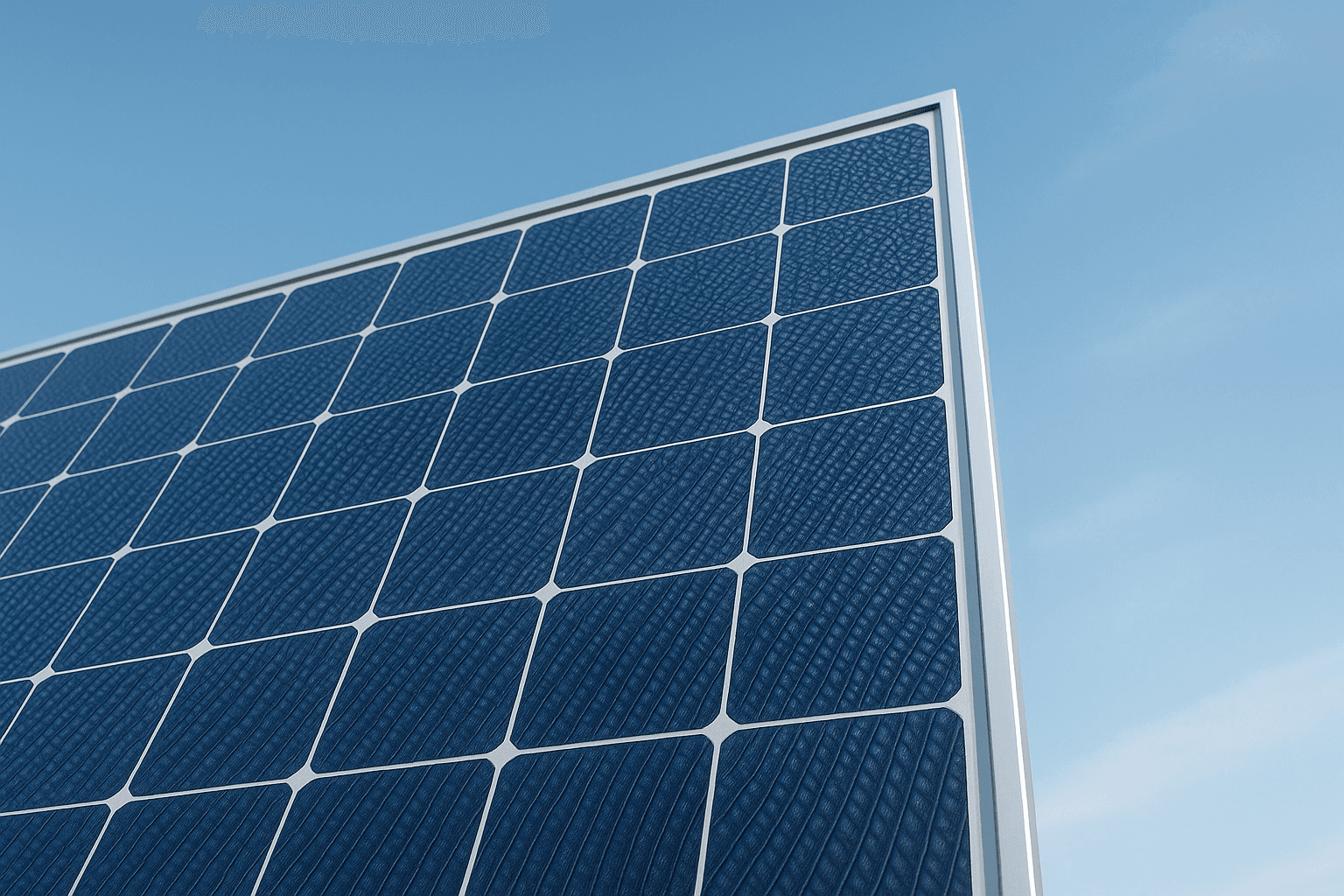
Researchers have developed a surface pattern for solar modules inspired by the microscopic structures on butterfly wings, reporting substantial gains in light capture in controlled experiments. The patterned surface alters how incoming sunlight is reflected and scattered, directing more photons into the photovoltaic absorber.
According to the published results, laboratory measurements indicated electricity production increases of as much as 66% under the tested conditions. The work focuses on geometric micro- and nanoscale texturing rather than new semiconductor materials, aiming to improve performance through optics and surface engineering.
One key advantage of the approach is its potential to broaden the angular range over which panels collect light effectively, reducing the need for mechanical tracking systems. Enhanced off-angle performance could translate into higher daily energy yield, particularly for fixed-tilt installations.
Researchers highlight that the patterned surfaces mimic natural light-management strategies observed in butterfly scales, which evolved to control colour and reflectance. Translating those biological principles into manufacturable textures is central to the proposed technology.
Critical next steps include validating the gains in field conditions, assessing long-term durability, and integrating the patterning into industrial-scale production processes. Cost-effectiveness and weathering under UV exposure and soiling will determine commercial viability.
While laboratory results are promising, broader deployment will depend on whether manufacturers can adapt existing production lines or incorporate the design as an add-on layer. If scalable, the technique could offer a route to higher energy yield without changing core cell chemistry.
FAQs
How do butterfly wings improve solar panels?
The micro- and nanoscale structures on butterfly wings manipulate light by reducing reflection and scattering photons into the absorber; similar patterned surfaces on panels aim to increase the number of photons entering the cell.
Does this require new photovoltaic materials?
No. The concept relies on surface texturing and optical management rather than altering the photovoltaic material itself, which could simplify integration with existing cells.
Are the reported gains verified outdoors?
The largest reported increases come from laboratory tests; field validation under real-world conditions is needed to confirm performance across seasons and weather.
Will this add significantly to panel cost?
Cost impacts depend on whether the surface pattern can be produced by existing manufacturing techniques or added as a low-cost coating; economic assessments are a key next step.
Can the texture reduce the need for tracking?
Improved angular light capture can lessen reliance on tracking systems by enhancing off-angle performance, potentially increasing daily energy yield for fixed arrays.
What are the main challenges before commercial use?
Challenges include scaling the patterning process, ensuring long-term durability against UV and soiling, and demonstrating consistent gains in field deployments.
Advertisement
Written by
Suraj Kadam
Suraj Kadam is the Chief Editor at CleanTech Journal, where he leads coverage of the renewable energy sector with a sharp focus on solar power and emerging clean technologies. With over 8 years of experience in energy journalism, Suraj has built a reputation for translating complex industry developments into clear, insightful stories for policymakers, investors, and everyday readers.