Chinese Carmakers Pivot From EVs to Full Hybrids to Challenge Established Rivals
News at Glance Chinese automakers are shifting development focus from pure battery EVs to full-hybrid powertrains. Full-hybrid models are being targeted for markets with limited charging infrastructure and differing regulatory needs. Goal is to compete with established hybrid leaders such as Toyota and other legacy brands. Targeting Hybrid Leadership in Markets Where Charging Is Scarce […]

Suraj Kadam
August 23, 2026•7 min read
Advertisement
Table of Contents
News at Glance
- Chinese automakers are shifting development focus from pure battery EVs to full-hybrid powertrains.
- Full-hybrid models are being targeted for markets with limited charging infrastructure and differing regulatory needs.
- Goal is to compete with established hybrid leaders such as Toyota and other legacy brands.
Targeting Hybrid Leadership in Markets Where Charging Is Scarce
Several major Chinese carmakers are broadening their technology strategies to include full-hybrid systems alongside battery electric vehicles. The move reflects a desire to address customer needs in regions where charging networks remain underdeveloped and range anxiety persists.
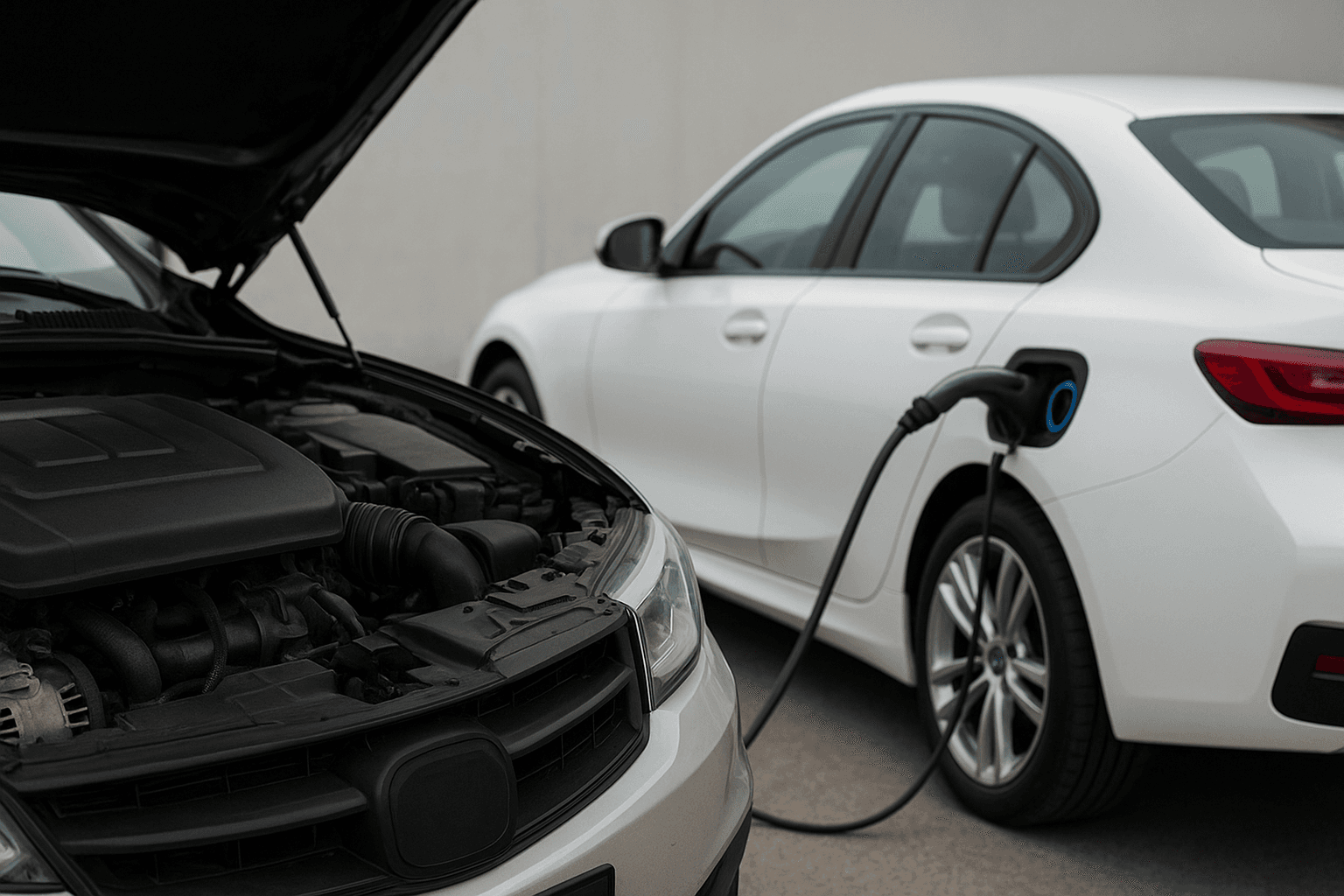
Full hybrids combine an internal combustion engine with electric drive and on-board charging of the battery through regenerative braking and the engine. This architecture can offer lower fuel use in real-world driving without requiring frequent plug-in charging, making it attractive in many export markets.
Industry observers note the shift responds to both commercial and regulatory drivers. Automakers seek to diversify product lines to meet varied emissions standards and consumer preferences while maintaining momentum in EV development and battery investment.
Chinese firms are investing in hybrid powertrain development, control software and packaging to deliver competitive fuel economy and cost. The strategy aims to close gaps with long-time hybrid leaders, leveraging manufacturing scale and low-cost supply chains.
For some markets, hybrids serve as a transitional technology as public charging and grid upgrades lag behind vehicle electrification targets. Automakers say hybrids can complement pure EV offerings rather than replace them, providing a flexible market approach.
FAQs
What is a full hybrid?
A full hybrid pairs an internal combustion engine with an electric motor and battery, allowing the vehicle to run on the engine, the motor, or both, and to recharge the battery without plugging in.
Why are Chinese carmakers shifting to hybrids?
They are responding to demand in markets with limited charging infrastructure and seeking to offer lower-fuel alternatives while continuing EV development.
How do hybrids compare to battery EVs?
Hybrids typically use less gasoline than conventional cars and do not need external charging, but they do not eliminate tailpipe emissions like battery EVs can.
Will this slow EV progress?
Automakers generally treat hybrids as complementary; many continue to invest heavily in battery electric vehicles and charging technologies.
Which markets are most receptive to hybrids?
Regions with limited public charging, long-range driving needs, or slower grid upgrades are often more receptive to hybrid models.
Do hybrids help meet emissions rules?
Hybrids can reduce fleet average emissions and help manufacturers comply with varied regional regulations while they expand EV offerings.
Advertisement
Written by
Suraj Kadam
Suraj Kadam is the Chief Editor at CleanTech Journal, where he leads coverage of the renewable energy sector with a sharp focus on solar power and emerging clean technologies. With over 8 years of experience in energy journalism, Suraj has built a reputation for translating complex industry developments into clear, insightful stories for policymakers, investors, and everyday readers.