Envision Energy unveils 8 MW-class EN175/8.0 wind turbine at WindEnergy Hamburg
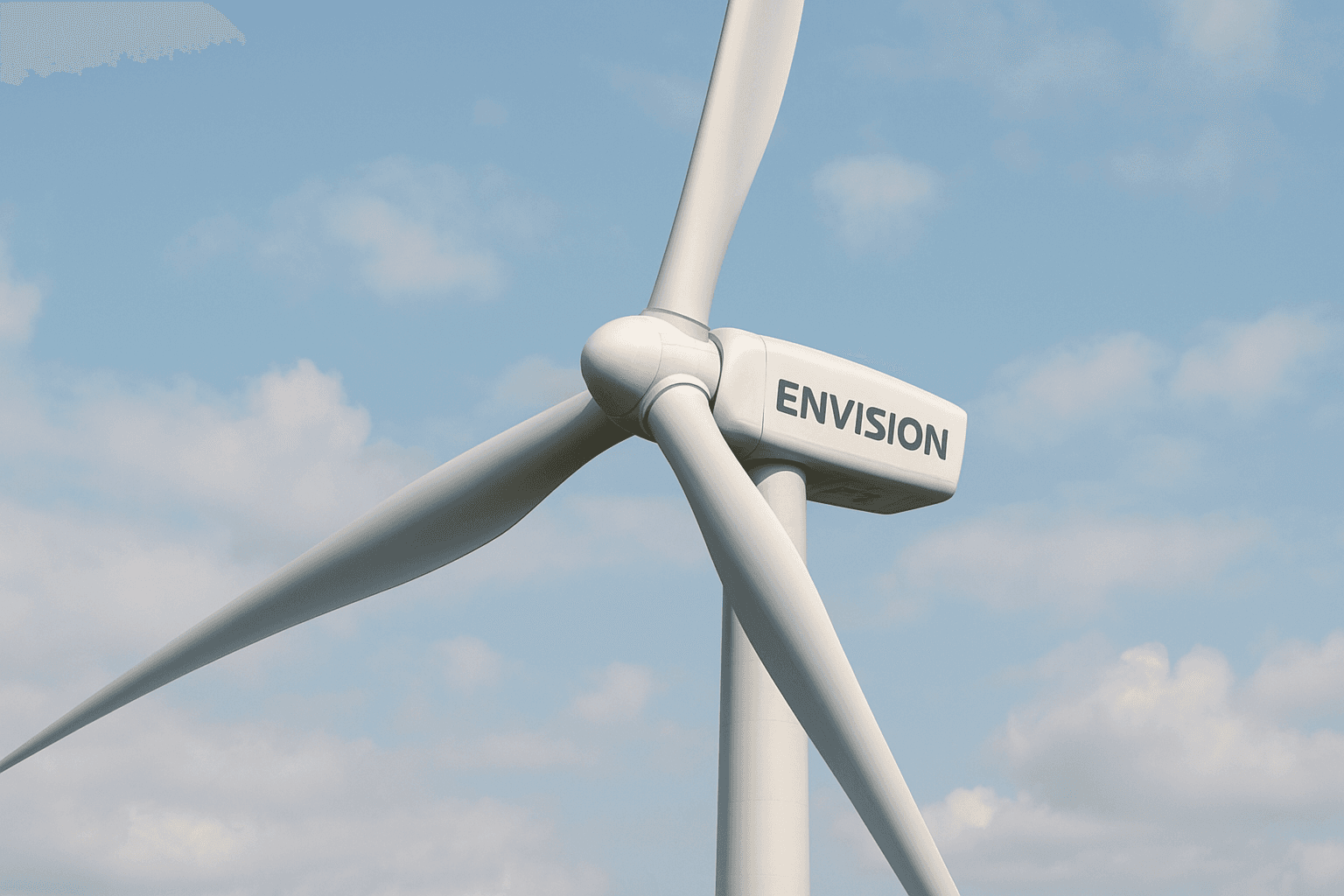
News at Glance Envision Energy unveiled the EN175/8.0 as an 8 MW-class wind turbine at WindEnergy Hamburg. The model targets utility-scale projects, reflecting the sector’s move toward higher-capacity machines. Deployment will depend on testing and certification, industry steps that precede commercial installations. EN175/8.0 signals Envision’s push into higher-capacity turbines Envision Energy used WindEnergy Hamburg to […]

Suraj Kadam
September 28, 2026•7 min read
Advertisement
Table of Contents
News at Glance
- Envision Energy unveiled the EN175/8.0 as an 8 MW-class wind turbine at WindEnergy Hamburg.
- The model targets utility-scale projects, reflecting the sector’s move toward higher-capacity machines.
- Deployment will depend on testing and certification, industry steps that precede commercial installations.
EN175/8.0 signals Envision’s push into higher-capacity turbines
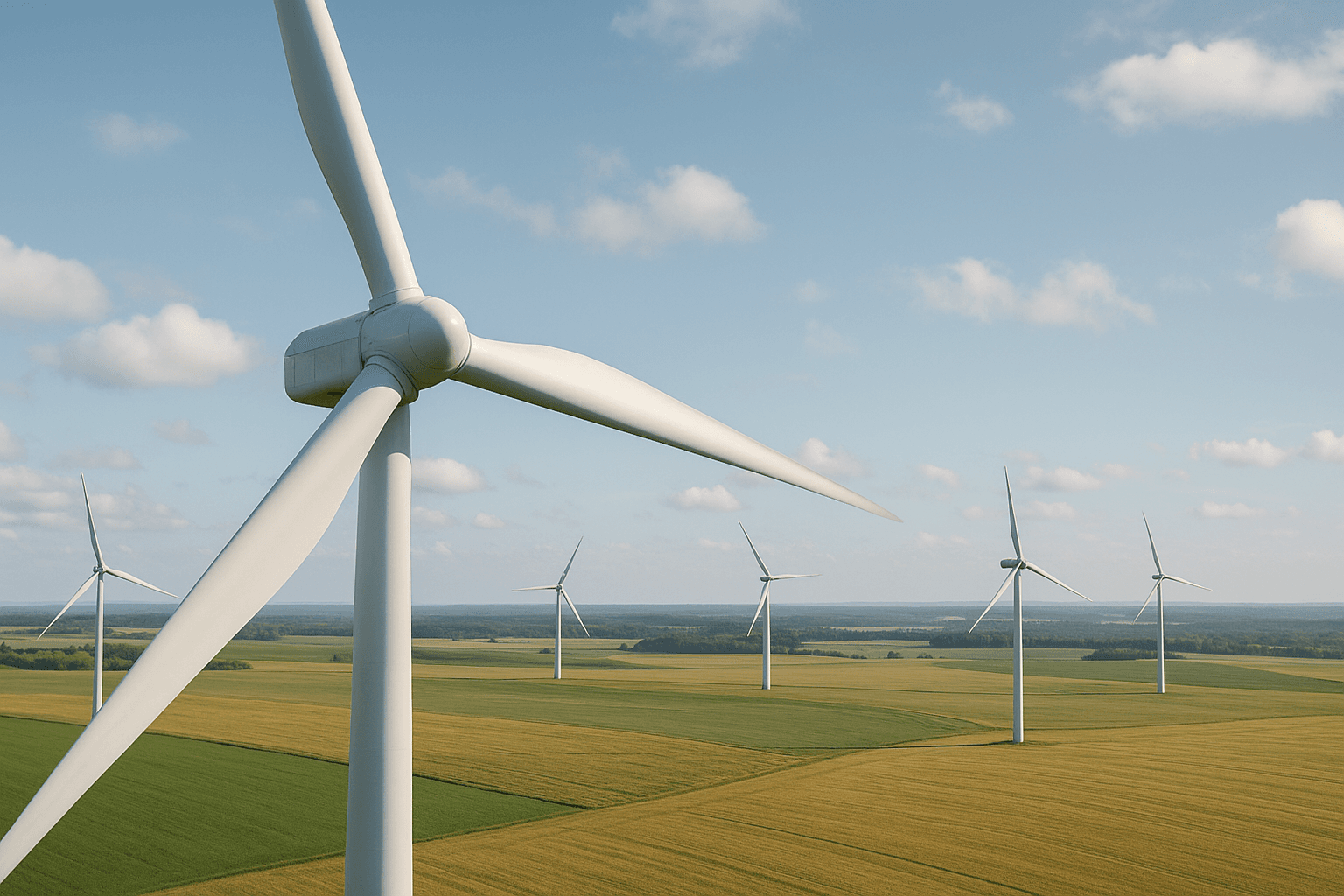
Envision Energy used WindEnergy Hamburg to present its latest wind turbine, the EN175/8.0, described by the company as an 8 MW-class machine. The unveiling places the model among competitors aimed at boosting energy yield per unit.
The introduction follows an industry-wide trend toward larger, higher-capacity turbines that can lower levelised cost of energy when paired with suitable sites. Developers are increasingly evaluating big machines for projects where transport, installation and grid connections support them.
Manufacturers typically bring new designs to trade fairs to engage customers, suppliers and certification bodies. Public showings allow project planners and technical teams to assess compatibility with existing portfolios and logistical frameworks.
Before commercial deployment, turbines such as the EN175/8.0 generally undergo prototype testing and type certification processes that verify performance, safety and grid compliance. Those steps determine timelines for serial production and field installation.
Market adoption for higher-capacity models depends on factors including site wind regimes, permitting, supply-chain readiness and grid integration. For developers, larger turbines can offer higher returns at suitable locations but often require changes in logistics and installation strategy.
While specific certification and delivery schedules for the EN175/8.0 were not announced at the event, the model’s unveiling highlights continuing momentum in turbine scaling as the industry seeks cost reductions and higher output from fewer units.
FAQs
What does an “8 MW-class” wind turbine mean?
An “8 MW-class” turbine refers to a wind turbine whose rated electrical capacity is around eight megawatts, indicating the power it can produce under rated wind conditions.
Why are manufacturers developing larger wind turbines?
Larger turbines can capture more wind and increase energy yield per rotor, which may reduce project costs per megawatt and lower the levelised cost of energy at sites that can accommodate them.
What are the usual steps before a new turbine model enters commercial service?
Typical steps include prototype testing, performance validation, type certification by recognised bodies and the establishment of supply and installation chains before serial manufacturing and field deployment.
Can large turbines be used both onshore and offshore?
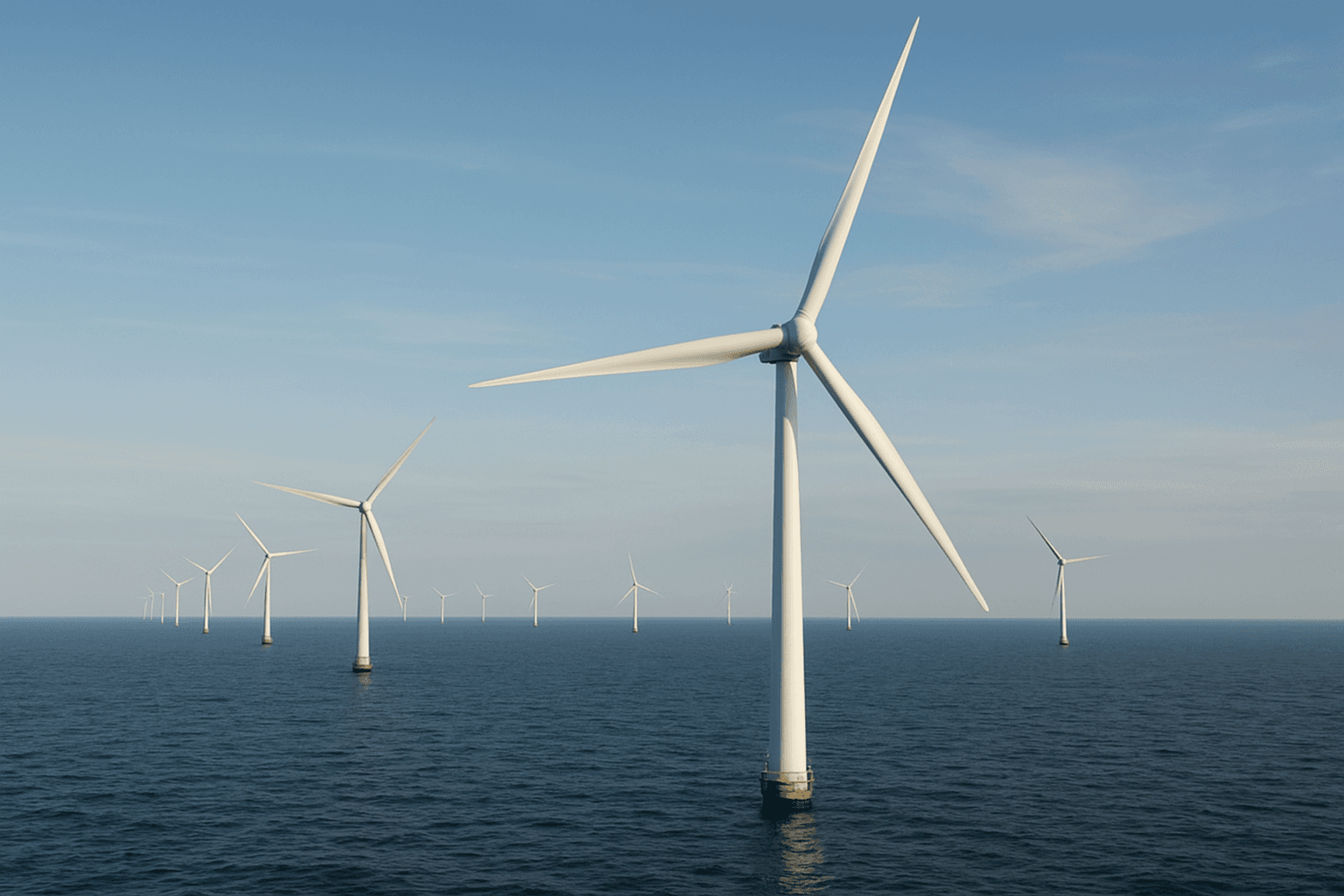
Large turbines are used in both onshore and offshore settings, but site characteristics, transport logistics and foundation or installation methods influence suitability.
How do larger turbines affect project logistics?
Larger components can require specialised transport, cranes and port facilities, potentially increasing upfront logistics costs and influencing project timelines.
What should developers evaluate when considering new turbine models?
Developers should assess site wind conditions, grid connection requirements, certification status, supplier capacity, logistics and lifecycle costs to determine a model’s fit for a project.
Advertisement
Written by
Suraj Kadam
Suraj Kadam is the Chief Editor at CleanTech Journal, where he leads coverage of the renewable energy sector with a sharp focus on solar power and emerging clean technologies. With over 8 years of experience in energy journalism, Suraj has built a reputation for translating complex industry developments into clear, insightful stories for policymakers, investors, and everyday readers.