Hyderabad’s Role in Solar Panel Manufacturing: Industry Snapshot and Outlook
Hyderabad has attracted attention in discussions about domestic solar manufacturing and the wider photovoltaic supply chain. Industry observers note activity ranging from module assembly to component production in the region, reflecting broader interest in localising parts of the solar value chain. Overview The solar manufacturing footprint around Hyderabad includes firms focused on assembling modules, producing […]

Suraj Kadam
August 9, 2026•10 min read
Advertisement
Table of Contents
- Overview
- Why This News Matters
- Industry Perspective
- Future Outlook
- Key Highlights
- Frequently Asked Questions
Hyderabad has attracted attention in discussions about domestic solar manufacturing and the wider photovoltaic supply chain. Industry observers note activity ranging from module assembly to component production in the region, reflecting broader interest in localising parts of the solar value chain.
Overview
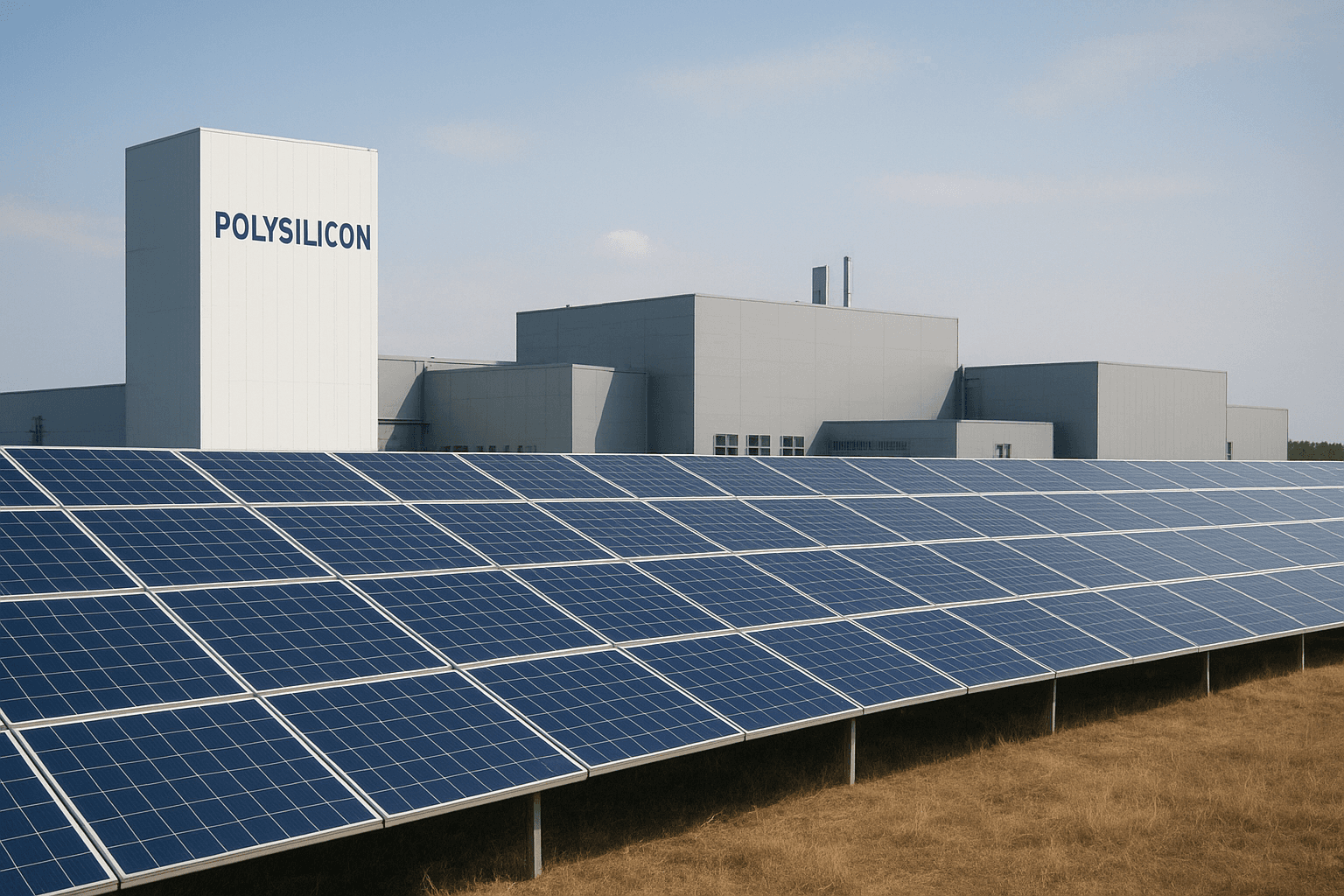
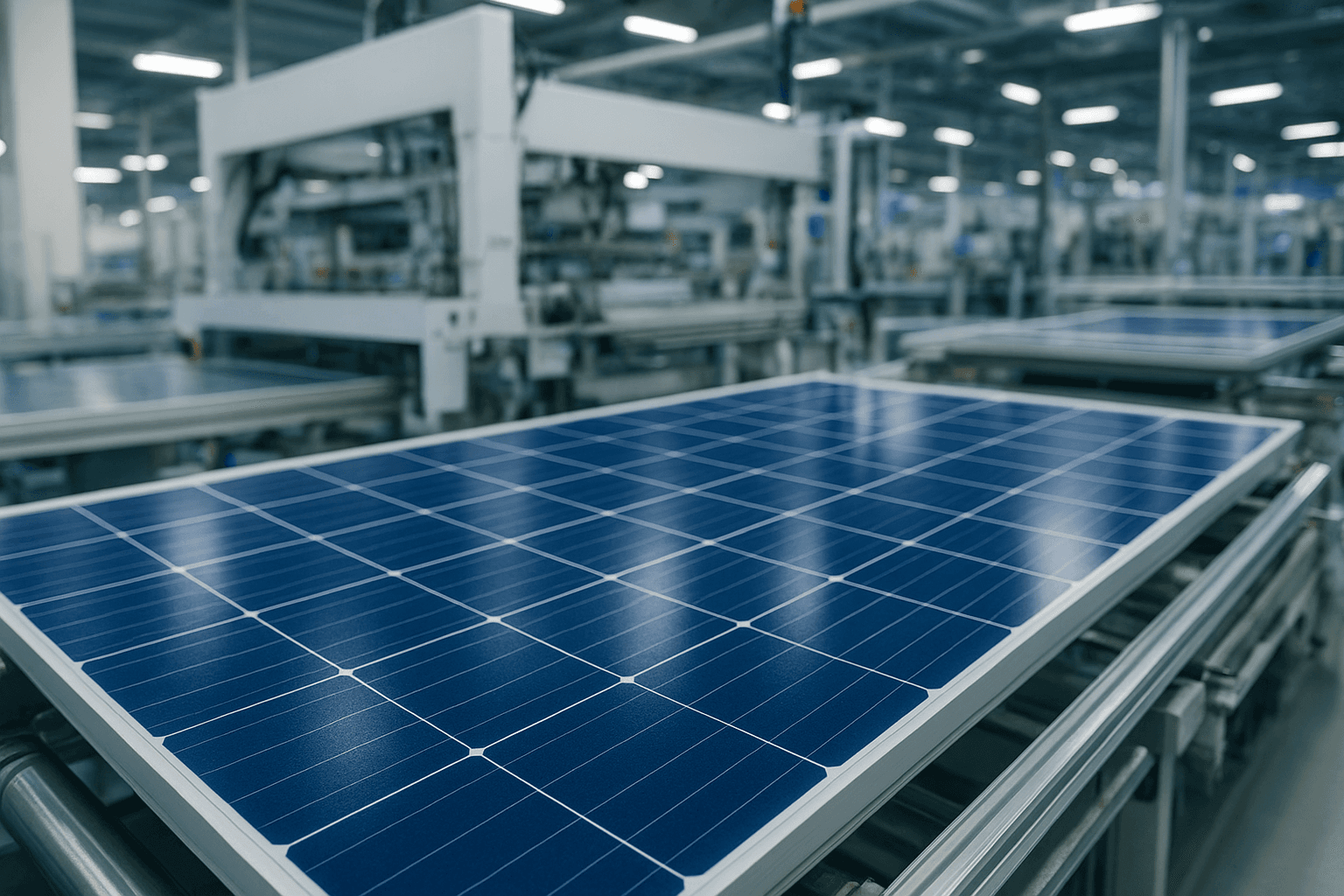
The solar manufacturing footprint around Hyderabad includes firms focused on assembling modules, producing glass and frames, and supplying balance-of-system components. These operations vary in scale from small assembly units to larger manufacturing plants serving regional projects.
Manufacturers in the area often address both domestic demand and project-level procurement needs, providing an alternative to imports for developers seeking shorter lead times and local support. Infrastructure, logistics links and an available skilled workforce contribute to the region’s attractiveness for such activity.
Why This News Matters
Local manufacturing influences project costs, supply-chain resilience and deployment timelines for solar developers. When components are produced closer to installation sites, it can reduce shipping times and logistical complexity for utility and commercial projects.
Manufacturing presence also intersects with employment and regional industrial policy objectives. For policymakers and investors, a diversified manufacturing base can form part of a strategy to increase energy security and reduce exposure to overseas supply disruptions.
Industry Perspective
Manufacturers and project stakeholders typically emphasise the need for reliable quality control, certification and testing to ensure panels meet performance expectations. Third-party certifications and adherence to international standards are common focal points for market acceptance.
Producers in the region face competitive pressures from global suppliers, as well as operational challenges such as capital intensity, raw-material sourcing and the need for continuous process improvements. Collaboration with component suppliers and logistics partners is often cited as key to maintaining competitiveness.
Future Outlook
Outlook for manufacturers near Hyderabad depends on several factors, including access to affordable inputs, investment in automation and the scale of domestic and regional demand. If demand for solar projects continues to grow, local manufacturing could expand to provide more integrated offerings.
Potential areas of development include greater vertical integration—linking cell production, module assembly and balance-of-system manufacturing—and stronger ties to project developers to tailor products for specific deployment environments. However, scaling such operations will require sustained commercial orders and financing.
Key Highlights
- Activity in the Hyderabad region encompasses module assembly and component supply for solar projects.
- Local manufacturing can shorten lead times and simplify logistics for nearby installations.
- Quality assurance and certification remain essential for market acceptance of locally made panels.
- Manufacturers face capital, raw-material and competitive pressures when scaling operations.
- Future growth depends on demand signals, investment, and integration across the PV supply chain.
Frequently Asked Questions
What types of solar panel manufacturing activities occur around Hyderabad?
Activities typically include module assembly, production of supporting components such as frames and junction boxes, and supply of balance-of-system parts. The exact mix varies by facility and market focus.
How does local manufacturing affect solar project developers?
Local manufacturing can reduce delivery times, lower certain logistics costs and improve on-site support. Developers still evaluate vendors based on quality, warranty terms and certification status.
Are panels produced in Hyderabad generally exported?
Some manufacturers may serve regional markets beyond local projects, while others focus primarily on domestic demand. Export activity depends on production scale, certifications and competitive pricing relative to international suppliers.
What ensures the quality of panels from local manufacturers?
Quality is supported by adherence to industry standards, third-party testing, consistent manufacturing processes and supplier audits. Project owners typically review certifications and performance warranties before procurement.
How can buyers find reliable suppliers in the region?
Buyers commonly perform due diligence by checking certifications, visiting production sites, requesting sample testing data and reviewing references from other projects. Engaging independent testing and inspection services is also a common practice.
What are the main challenges facing manufacturers near Hyderabad?
Key challenges include securing competitive access to raw materials, funding for capacity expansion, maintaining quality at scale and competing with larger global manufacturers on price and technology. Addressing these hurdles is central to long-term viability.
Advertisement
Written by
Suraj Kadam
Suraj Kadam is the Chief Editor at CleanTech Journal, where he leads coverage of the renewable energy sector with a sharp focus on solar power and emerging clean technologies. With over 8 years of experience in energy journalism, Suraj has built a reputation for translating complex industry developments into clear, insightful stories for policymakers, investors, and everyday readers.