Hyundai Begins Ioniq 3 EV Production at İzmit Plant in Türkiye
News at Glance Hyundai has started production of the Ioniq 3 EV at its İzmit plant in Türkiye. The move expands Hyundai’s manufacturing footprint for electric vehicles outside South Korea. Production in Türkiye is positioned to support Hyundai’s broader EV rollout and regional supply chain resilience. Hyundai Motor has initiated manufacturing of the Ioniq 3 […]

Suraj Kadam
August 18, 2026•7 min read
Advertisement
Table of Contents
News at Glance
- Hyundai has started production of the Ioniq 3 EV at its İzmit plant in Türkiye.
- The move expands Hyundai’s manufacturing footprint for electric vehicles outside South Korea.
- Production in Türkiye is positioned to support Hyundai’s broader EV rollout and regional supply chain resilience.
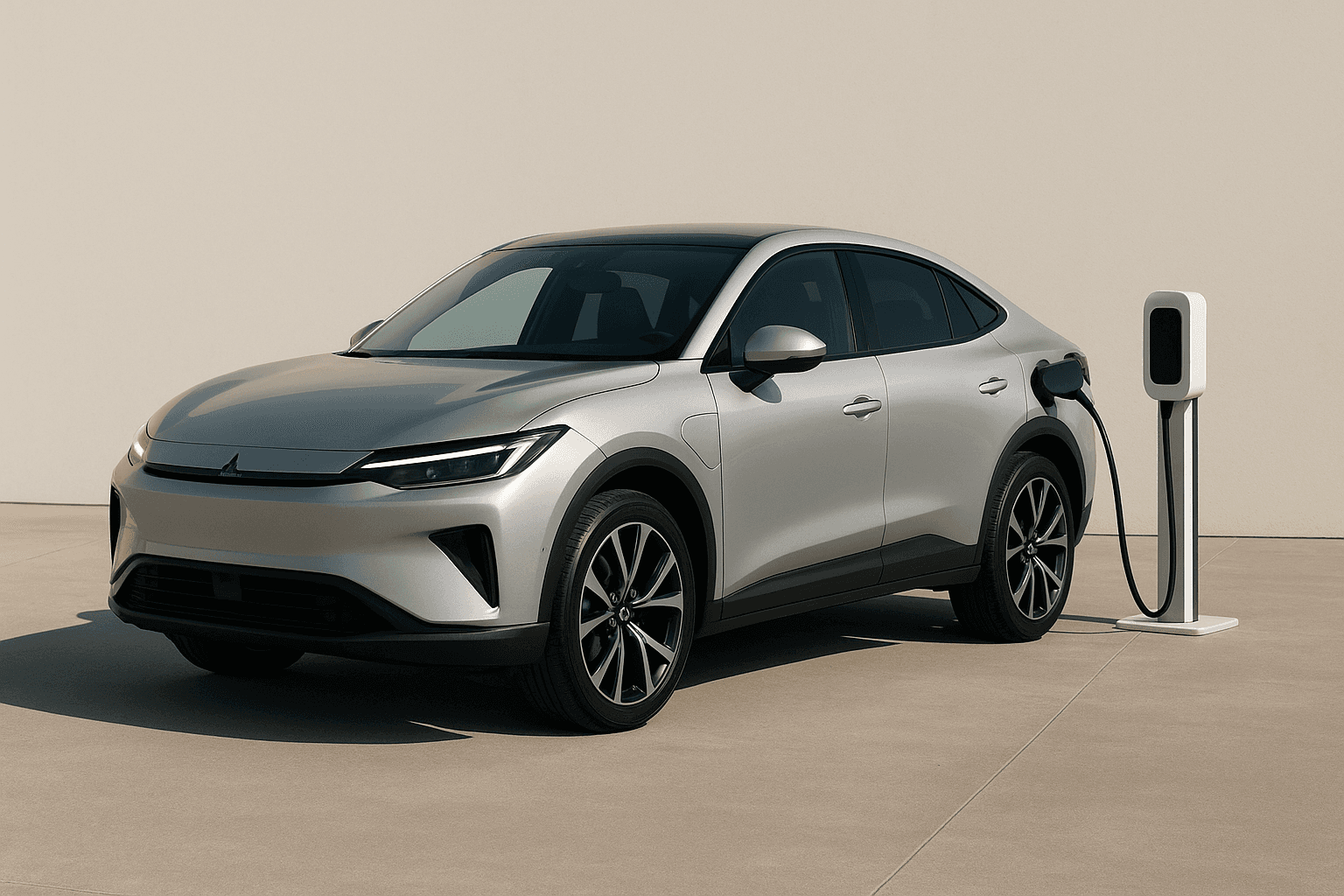
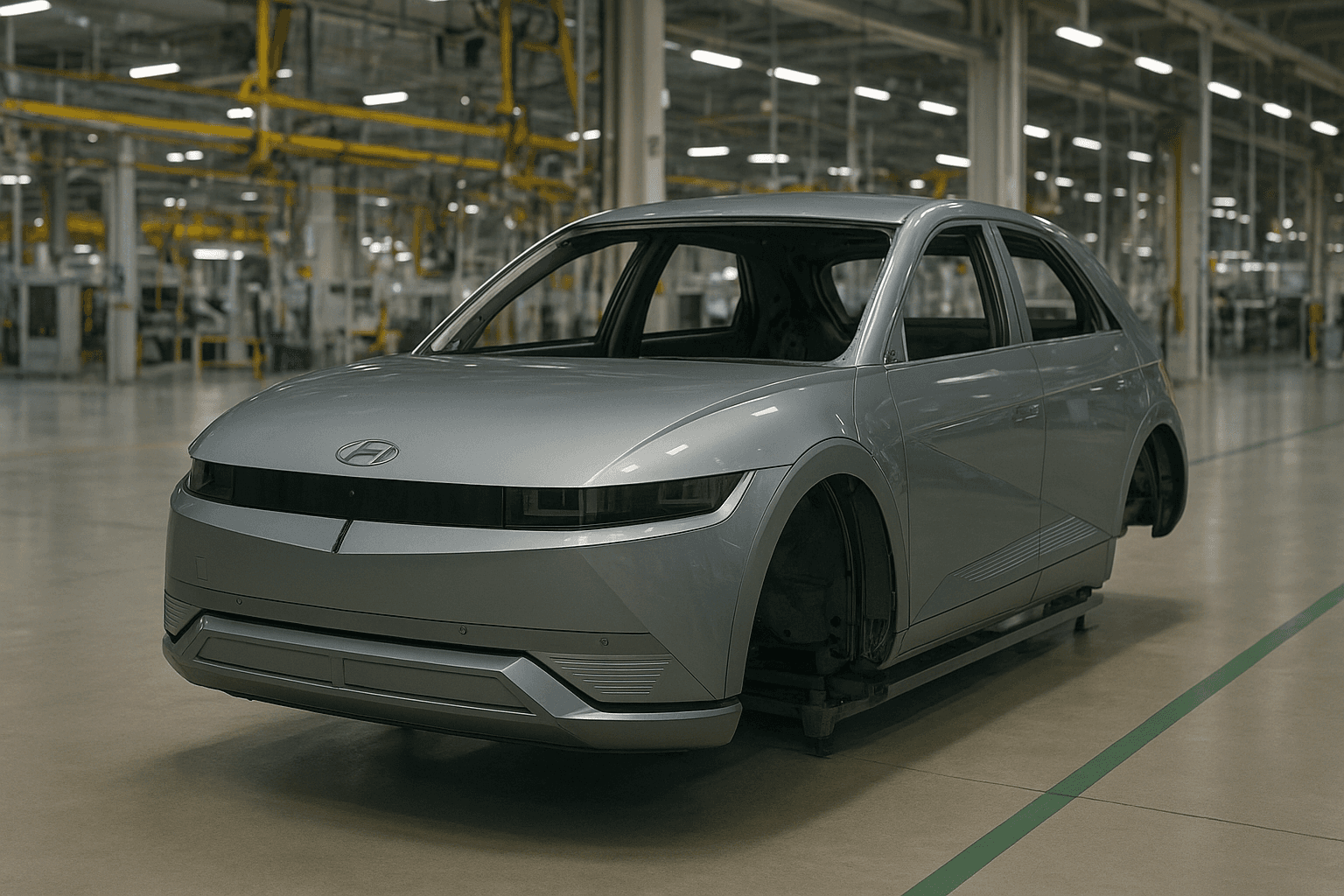
Hyundai Motor has initiated manufacturing of the Ioniq 3 battery electric vehicle at its İzmit assembly facility in Türkiye. The start of production represents a continuation of the automaker’s global shift toward electrified models and localised manufacturing.
The İzmit plant, part of Hyundai’s international production network, will now add the Ioniq 3 to its output alongside other models produced at the site. Local production can reduce logistical complexity and help align supply with regional demand for electric vehicles.
Industry analysts view in-country EV assembly as a way to mitigate exchange-rate exposure and trade barriers while improving responsiveness to market preferences. For Hyundai, diversifying production locations supports flexibility in sourcing and delivery to neighbouring markets.
Türkiye’s automotive sector has been a notable hub for international manufacturers due to its established supplier base and geographic position. Adding a new electric model at İzmit may also signal increased investment in electrification within the country’s supplier ecosystem.
Hyundai’s expansion of EV production outside its home market follows a broader industry trend as automakers scale up electric platforms. Local output can accelerate customer access to new models and reduce lead times compared with long-distance shipping.
Specific production volumes, trim options and distribution plans for the Ioniq 3 from İzmit were not detailed. Observers will watch for further announcements about exports, local employment effects and integration with regional charging and aftersales networks.
Frequently Asked Questions
What model is being produced at the İzmit plant?
The Ioniq 3 battery electric vehicle is reported to be in production at Hyundai’s İzmit facility.
Why is local production significant for Hyundai?
Local production can lower logistics costs, reduce delivery times to nearby markets and improve supply chain resilience for electric vehicles.
Will the Ioniq 3 produced in Türkiye be exported?
Hyundai has not specified export plans; in general, vehicles produced at regional plants may serve both domestic and neighbouring markets.
Does this change Hyundai’s global EV strategy?
Adding production sites for EVs aligns with Hyundai’s broader strategy to expand electric-vehicle manufacturing and meet regional demand more effectively.
How might this affect Türkiye’s automotive industry?
Producing EVs locally can stimulate parts suppliers, create jobs and encourage investment in related infrastructure such as charging and servicing networks.
Are there details on production capacity or timelines?
No specific output figures or timelines were announced; further details are typically released by the company in subsequent statements.
Advertisement
Written by
Suraj Kadam
Suraj Kadam is the Chief Editor at CleanTech Journal, where he leads coverage of the renewable energy sector with a sharp focus on solar power and emerging clean technologies. With over 8 years of experience in energy journalism, Suraj has built a reputation for translating complex industry developments into clear, insightful stories for policymakers, investors, and everyday readers.