India Set to Become World’s Second-Largest Solar Market by 2026: NSEFI
India is on track to become the world’s second-largest solar market by 2026 in terms of annual installations, according to the National Solar Energy Federation of India, signaling a rapid acceleration in the country’s clean energy transition. The country has added a record 50 gigawatts of solar capacity in just 14 months, pushing total installed […]

Suraj Kadam
April 12, 2026•4 min read
Advertisement
India is on track to become the world’s second-largest solar market by 2026 in terms of annual installations, according to the National Solar Energy Federation of India, signaling a rapid acceleration in the country’s clean energy transition.
The country has added a record 50 gigawatts of solar capacity in just 14 months, pushing total installed capacity beyond 150 GW. The pace marks a sharp shift from earlier growth cycles, where it took over a decade to reach the first 50 GW and nearly three years to double that figure.
Industry leaders say India is now approaching a steady annual addition trajectory of 50 GW, aligning with its broader goal of achieving 500 GW of non-fossil fuel capacity by 2030. “India is accelerating at a pace that could surpass earlier projections,” said Subrahmanyam Pulipaka, Chief Executive Officer of NSEFI.
The growth is being driven by a mix of large-scale projects and decentralized adoption. Programs such as PM Surya Ghar and PM KUSUM, along with rising demand linked to the National Green Hydrogen Mission, are pushing installations higher across segments.
Distributed Renewable Energy (DRE) and Commercial & Industrial (C&I) segments are emerging as key contributors. The C&I segment alone has crossed nearly 10 GW in annual installations for the first time, supported by mechanisms like green open access and virtual power purchase agreements.
At the same time, India’s domestic manufacturing ecosystem is strengthening. Policy measures such as production-linked incentives, the Approved List of Models and Manufacturers, and basic customs duties are driving local module production and reducing import dependence.
Globally, while markets like the United States and European Union may see slower growth in installations, India continues to expand rapidly, positioning itself to climb the global rankings.
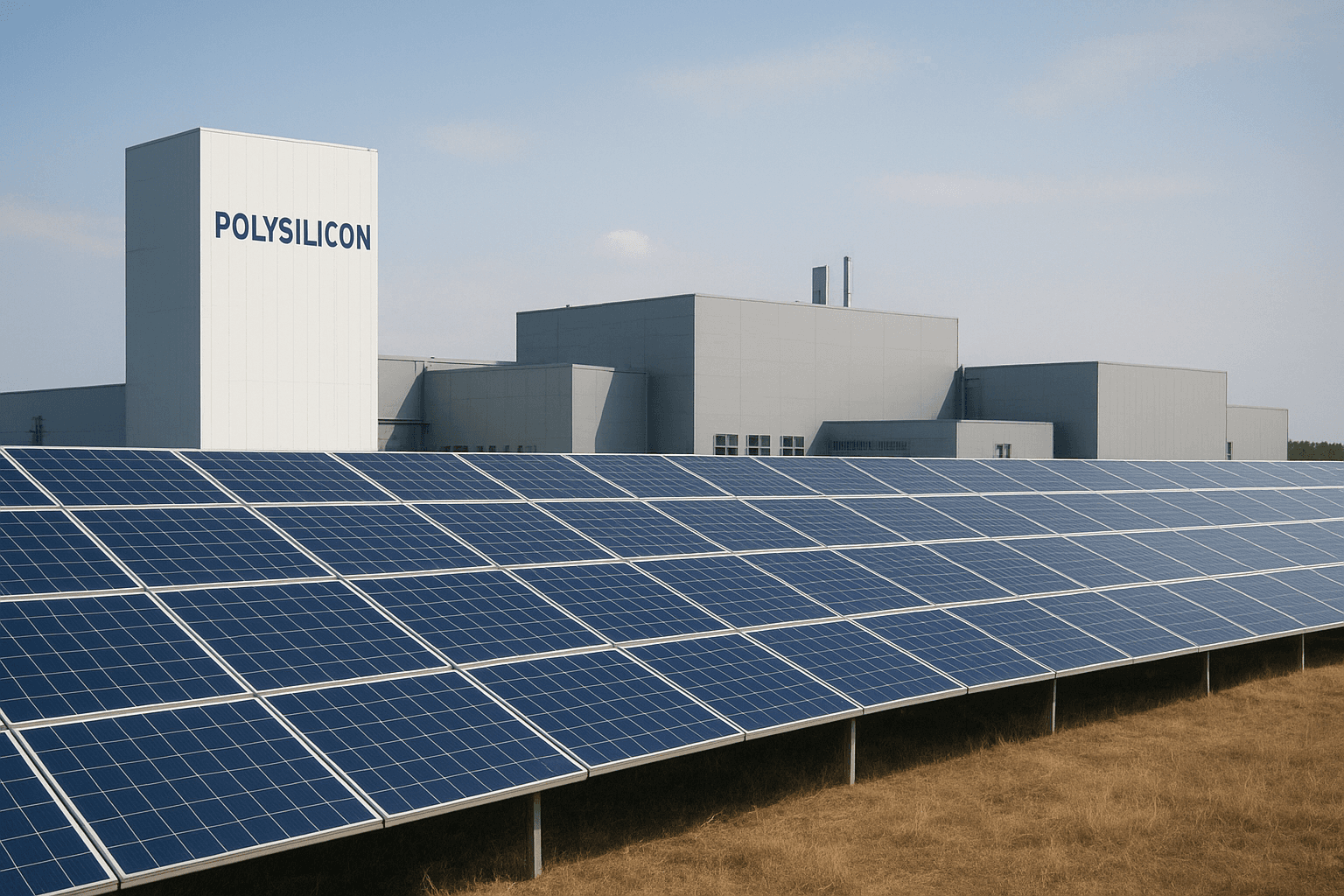
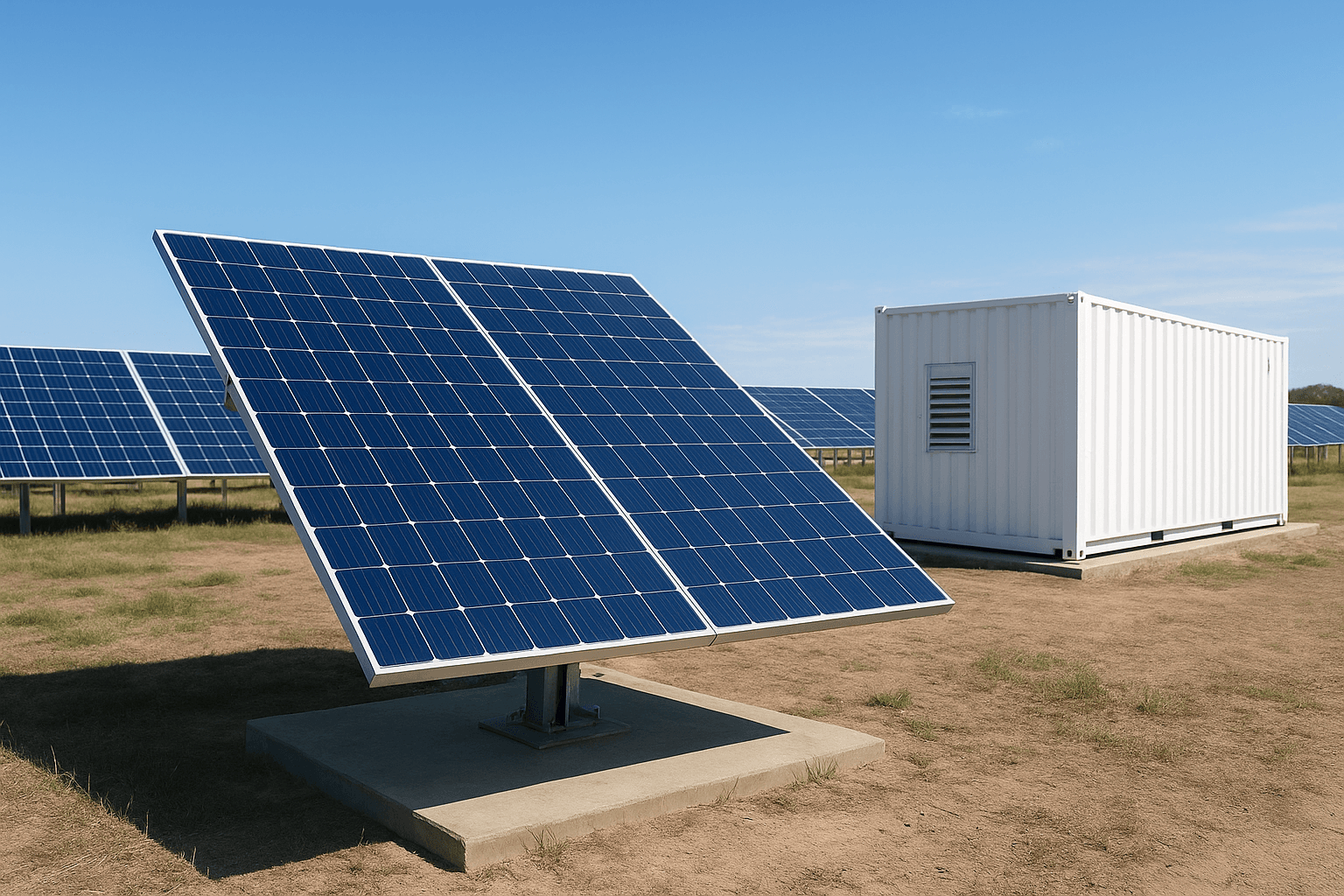
Looking ahead, industry experts emphasize the need to build upstream supply chains in wafers, ingots, and polysilicon, along with scaling energy storage. India is expected to see double-digit growth in storage capacity over the next 18 months, supported by policy interventions such as viability gap funding.
As deployment accelerates, the country’s solar sector is entering a new phase—defined not just by scale, but by integration, manufacturing strength, and long-term energy resilience.
Advertisement
Written by
Suraj Kadam
Suraj Kadam is the Chief Editor at CleanTech Journal, where he leads coverage of the renewable energy sector with a sharp focus on solar power and emerging clean technologies. With over 8 years of experience in energy journalism, Suraj has built a reputation for translating complex industry developments into clear, insightful stories for policymakers, investors, and everyday readers.