Mahindra Susten Reaches Financial Close on 151-MW Wind-Solar Hybrid in India
News at Glance 151 MW total capacity reached financial close for a wind-solar hybrid project in India. Mahindra Susten confirmed the milestone as developer of the hybrid asset. Financial close signals lenders and stakeholders have committed funding and agreements are in place to proceed. 151 MW Hybrid Project Strengthens India’s Move Toward Co-Located Renewables Mahindra […]

Suraj Kadam
August 20, 2026•7 min read
Advertisement
Table of Contents
News at Glance
- 151 MW total capacity reached financial close for a wind-solar hybrid project in India.
- Mahindra Susten confirmed the milestone as developer of the hybrid asset.
- Financial close signals lenders and stakeholders have committed funding and agreements are in place to proceed.
151 MW Hybrid Project Strengthens India’s Move Toward Co-Located Renewables
Mahindra Susten has reached financial close on a 151-megawatt wind-solar hybrid project in India, the company announced. The developer said this clears a key milestone, allowing construction and procurement activities to move forward.
Financial close typically means that project documentation, equity and debt commitments and other conditions precedent have been satisfied. For developers, it is the point at which capital is locked in and major contracts are executable.
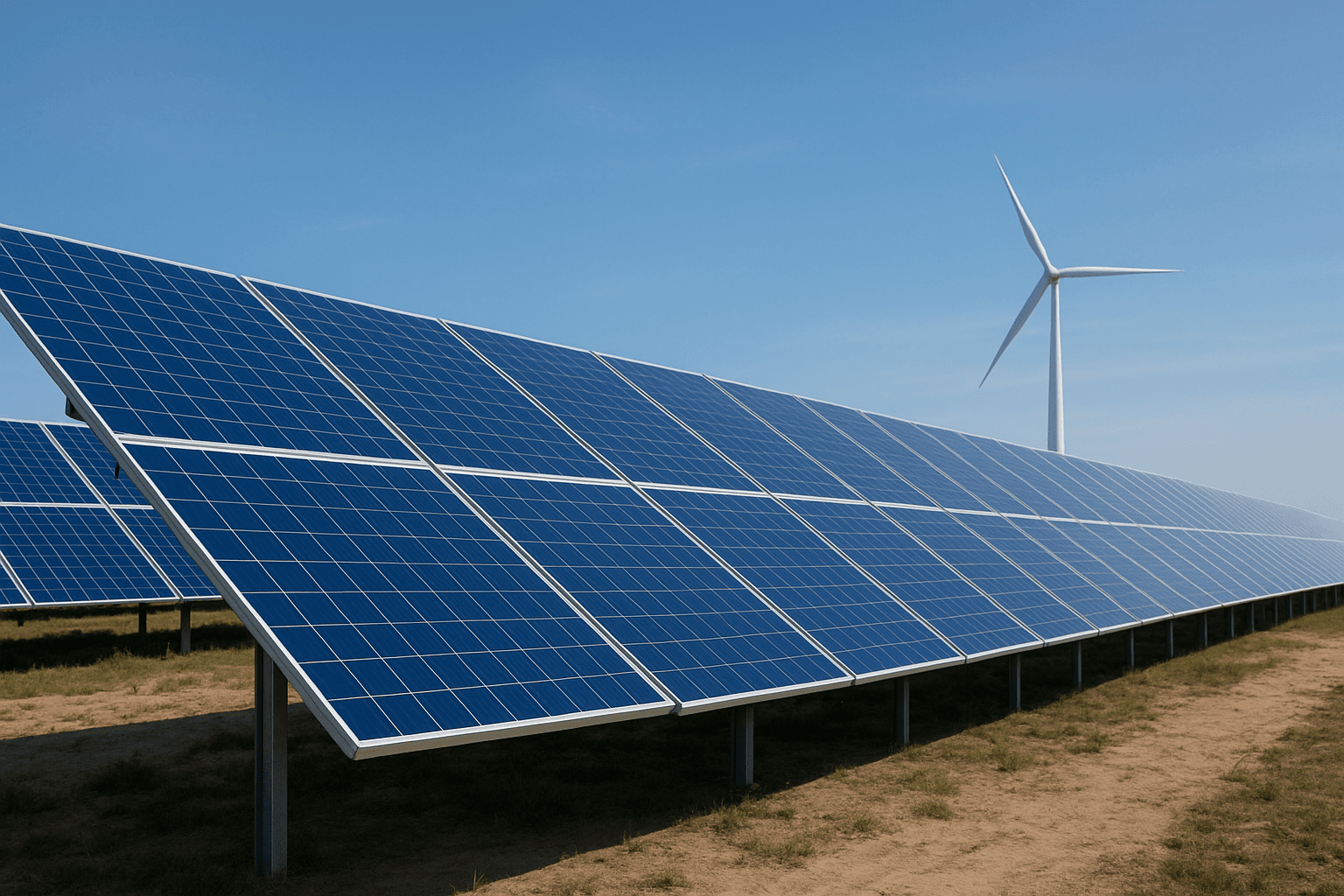
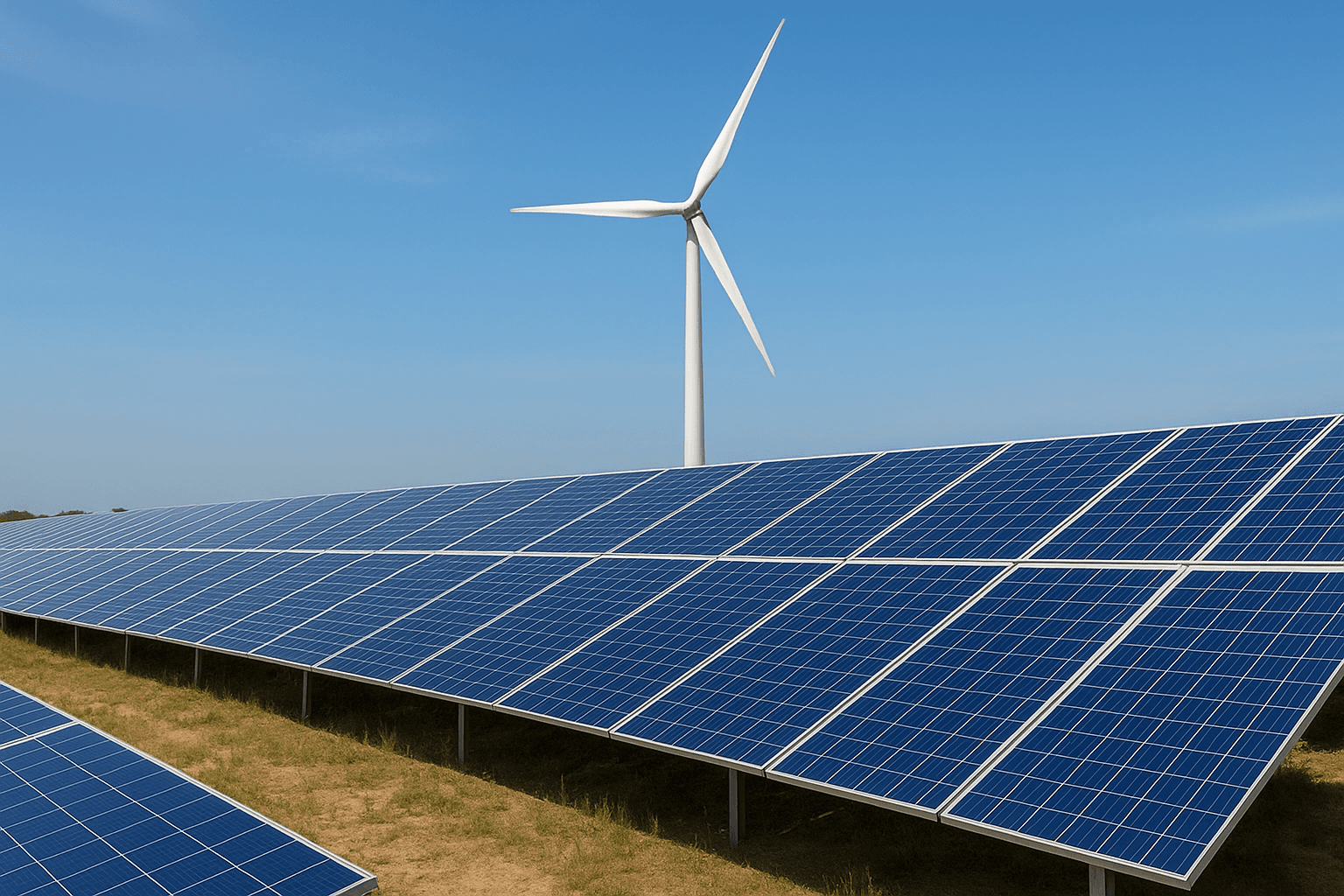
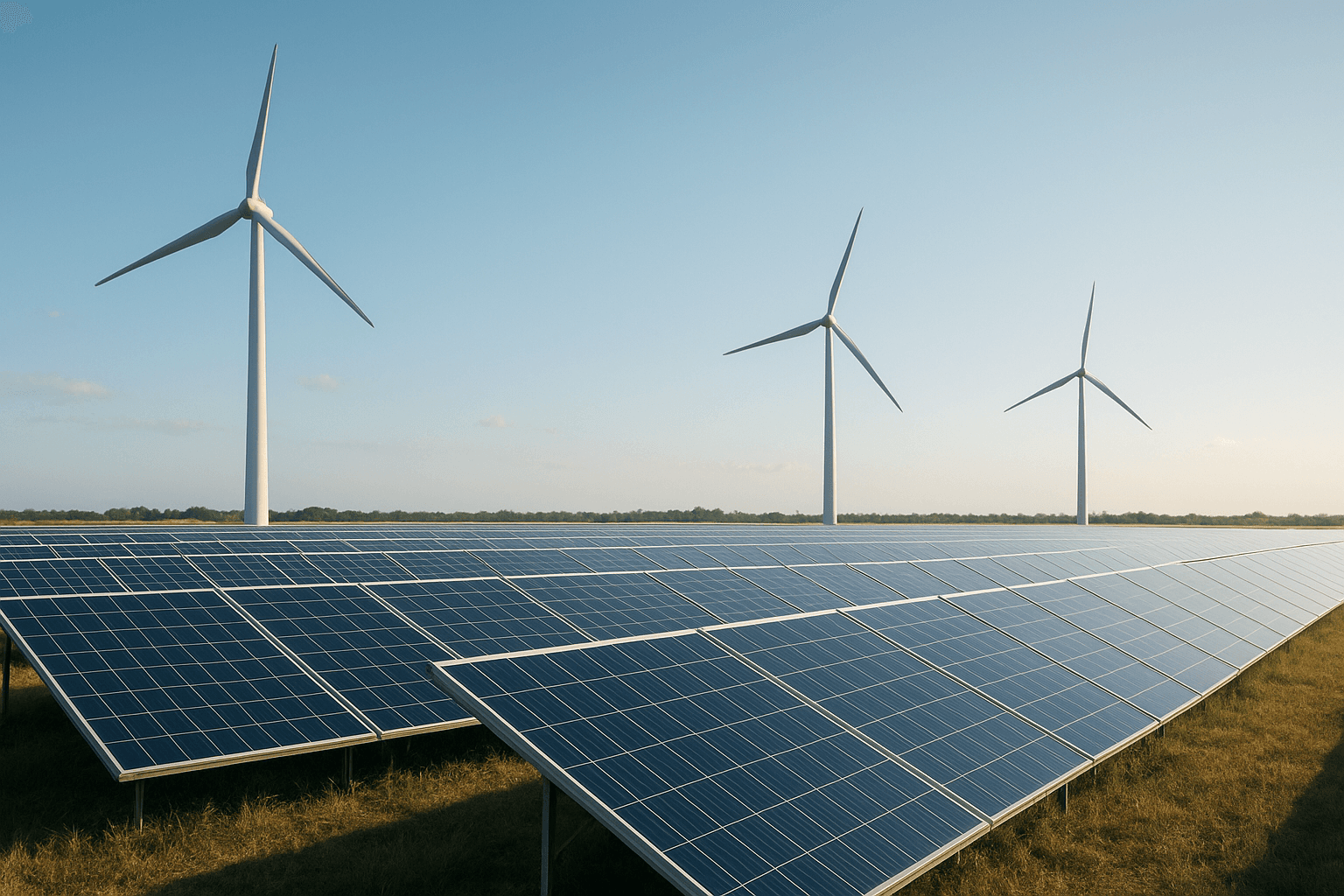
Wind-solar hybrids combine turbines and photovoltaic arrays at a single site or interconnected facilities to deliver more stable output than single-technology plants. Co-location can improve land-use efficiency and enable shared transmission infrastructure, helping reduce overall system costs.
Hybrid projects can also assist grid operators by smoothing the variability inherent in wind and solar generation. When designed with suitable control systems and grid connection agreements, hybrids can offer intra-day complementarity that supports peak shaving and better utilization of transmission assets.
Reaching financial close is an important signal for project finance markets, indicating investor confidence in the technology, revenue model and regulatory environment. It also typically precedes the mobilization of equipment orders and construction crews.
The development comes at a time when India is expanding its renewable pipeline and exploring hybrid configurations to improve system flexibility. While specifics on timelines, offtake agreements and financing partners were not disclosed, the project adds to a growing number of hybrid initiatives across the country.
FAQs
What does financial close mean for a renewable project?
Financial close means lenders and equity investors have signed off on funding and contractual conditions required to start construction, enabling procurement and execution to proceed.
What is a wind-solar hybrid?
A wind-solar hybrid integrates wind turbines and solar panels at the same site or behind a single grid connection to provide more consistent generation and efficient use of infrastructure.
Why are hybrids gaining traction in India?
Hybrids offer better utilization of land and transmission, reduce curtailment risk, and can provide more predictable generation profiles, aligning with grid flexibility needs.
How do hybrids help grid operators?
By combining complementary resources, hybrids can smooth generation variability, support peak periods, and reduce reliance on backup fossil-fuel generation.
What typically follows financial close?
After financial close, developers usually place equipment orders, mobilize construction teams, and begin on-site works according to agreed timelines and permits.
Does financial close mean the project is fully guaranteed?
Financial close indicates committed funding and contracts, but projects still face construction, regulatory and operational risks until commercial operations commence.
Advertisement
Written by
Suraj Kadam
Suraj Kadam is the Chief Editor at CleanTech Journal, where he leads coverage of the renewable energy sector with a sharp focus on solar power and emerging clean technologies. With over 8 years of experience in energy journalism, Suraj has built a reputation for translating complex industry developments into clear, insightful stories for policymakers, investors, and everyday readers.