Offshore Wind Energy: Key Trends, Growth and Future Opportunities
News at Glance Offshore wind deployment is accelerating globally, driven by stronger policy signals and corporate procurement demand. Supply-chain and grid integration remain bottlenecks that can delay projects and increase near-term costs. Floating wind and digital O&M innovations are emerging as priority areas for investors and developers. Europe and Asia Remain Primary Deployment Hubs as […]

Suraj Kadam
August 19, 2026•8 min read
Advertisement
Table of Contents
- News at Glance
- Europe and Asia Remain Primary Deployment Hubs as Floating Wind Moves Up the Agenda
- FAQs
News at Glance
- Offshore wind deployment is accelerating globally, driven by stronger policy signals and corporate procurement demand.
- Supply-chain and grid integration remain bottlenecks that can delay projects and increase near-term costs.
- Floating wind and digital O&M innovations are emerging as priority areas for investors and developers.
Europe and Asia Remain Primary Deployment Hubs as Floating Wind Moves Up the Agenda
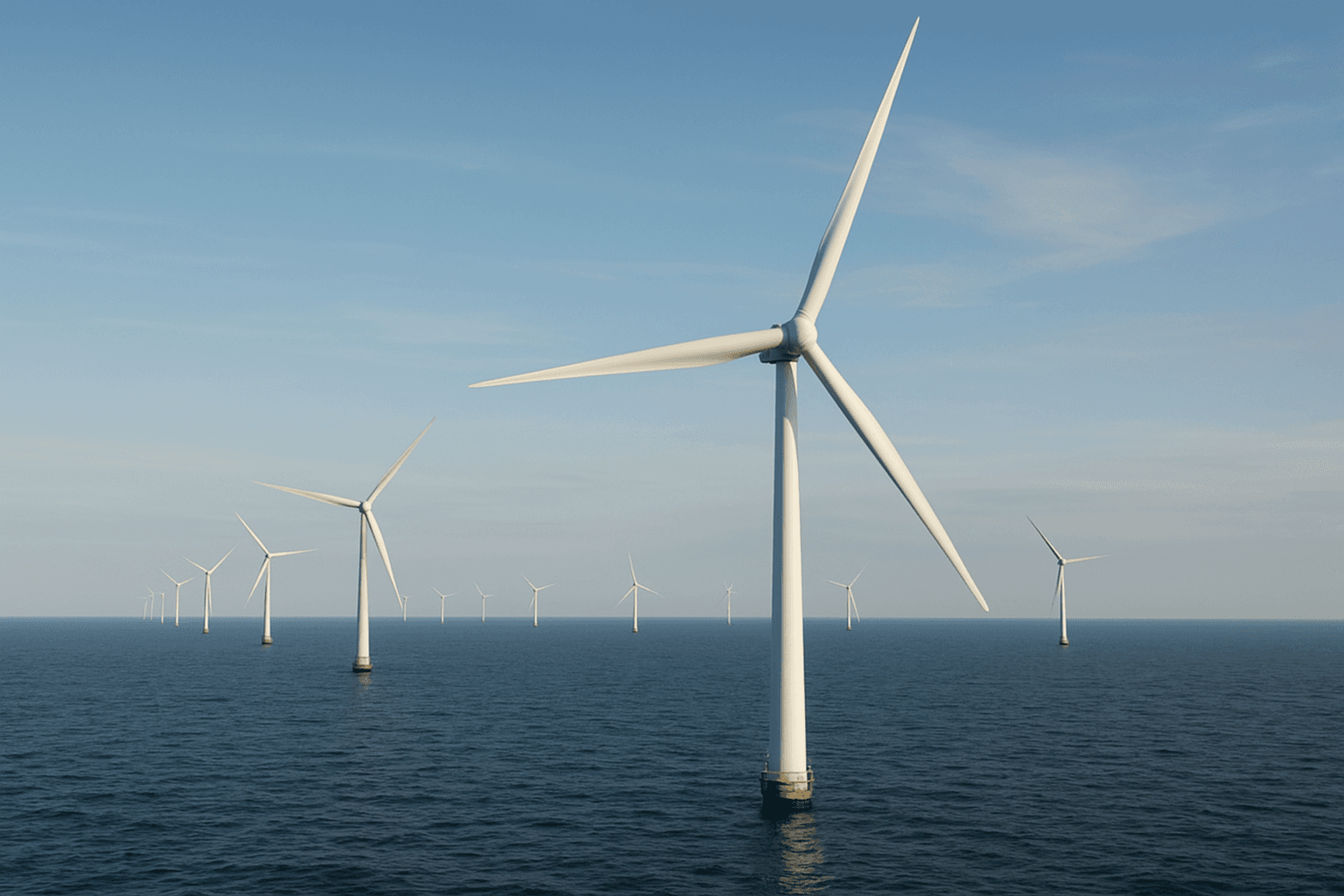
A MarketsandMarkets analysis of the offshore wind sector outlines broad shifts shaping deployment and investment. Developers and policymakers are responding to ambitious renewable targets and corporate power purchase agreements that sustain project pipelines.
Regional dynamics differ: established European markets focus on repowering and grid upgrades, while several Asian markets concentrate on rapid construction and local industry development. These contrasting priorities affect lead times, permitting and local-content requirements.
Supply-chain constraints persist as a practical barrier to faster growth. Manufacturing bottlenecks for turbines, foundations and specialized vessels, combined with port capacity limits, are prompting developers to sequence projects more conservatively and seek strategic partnerships.
Floating wind is gaining prominence as a route to deeper-water resources and new national markets. Technology maturation, pilot arrays and targeted investment are advancing the commercial case, though developers note the need for further cost reduction and financing frameworks.
Operational technology and digitalisation are playing a larger role in cost control. Remote monitoring, predictive maintenance and longer-term O&M contracts are helping operators improve availability and reduce lifecycle costs without relying solely on turbine price declines.
Financing and policy clarity remain central to unlocking opportunities. Investors signal interest where auction design, grid planning and offtake mechanisms reduce revenue uncertainty and where local supply chains can be developed to capture economic value.
Overall, the offshore wind sector is positioned for continued growth, but realisation of that potential depends on coordinated action across permitting, ports, vessels and grid infrastructure, alongside targeted support for emerging technologies.
FAQs
What are the main drivers of offshore wind growth?
Policy targets, corporate procurement and the need to decarbonise power systems are the principal drivers, alongside technological improvements that lower operating costs.
Why is floating wind important?
Floating wind opens access to deeper-water sites with strong wind resources, expanding the potential market beyond shallow continental shelves and offering new deployment opportunities.
What are the key supply-chain challenges?
Bottlenecks include limited turbine and foundation manufacturing capacity, scarce specialised vessels and constrained port infrastructure, all of which can slow project schedules.
How can digital tools reduce costs?
Digital monitoring and predictive maintenance improve turbine availability and extend asset life, which lowers operations and maintenance expenses over the project lifecycle.
What role do policies play in investment decisions?
Clear auction frameworks, predictable grid connections and stable offtake mechanisms reduce investor risk and are crucial to mobilising long-term capital.
Where are the best opportunities for new entrants?
Opportunities exist in component manufacturing, specialised vessels, port upgrades, floating wind technology and services such as digital O&M and project financing support.
Advertisement
Written by
Suraj Kadam
Suraj Kadam is the Chief Editor at CleanTech Journal, where he leads coverage of the renewable energy sector with a sharp focus on solar power and emerging clean technologies. With over 8 years of experience in energy journalism, Suraj has built a reputation for translating complex industry developments into clear, insightful stories for policymakers, investors, and everyday readers.