Report Sees 45–50 GW Annual Renewable Additions in India Over Two Years
News at Glance 45–50 GW annually is the projected range of new renewable capacity additions in India for each of the next two years, according to a report carried by ANI. Short-term acceleration would represent a notable uptick from recent annual additions and highlights an expanding project pipeline. Grid and storage needs are likely to […]

Suraj Kadam
August 22, 2026•7 min read

Advertisement
Table of Contents
News at Glance
- 45–50 GW annually is the projected range of new renewable capacity additions in India for each of the next two years, according to a report carried by ANI.
- Short-term acceleration would represent a notable uptick from recent annual additions and highlights an expanding project pipeline.
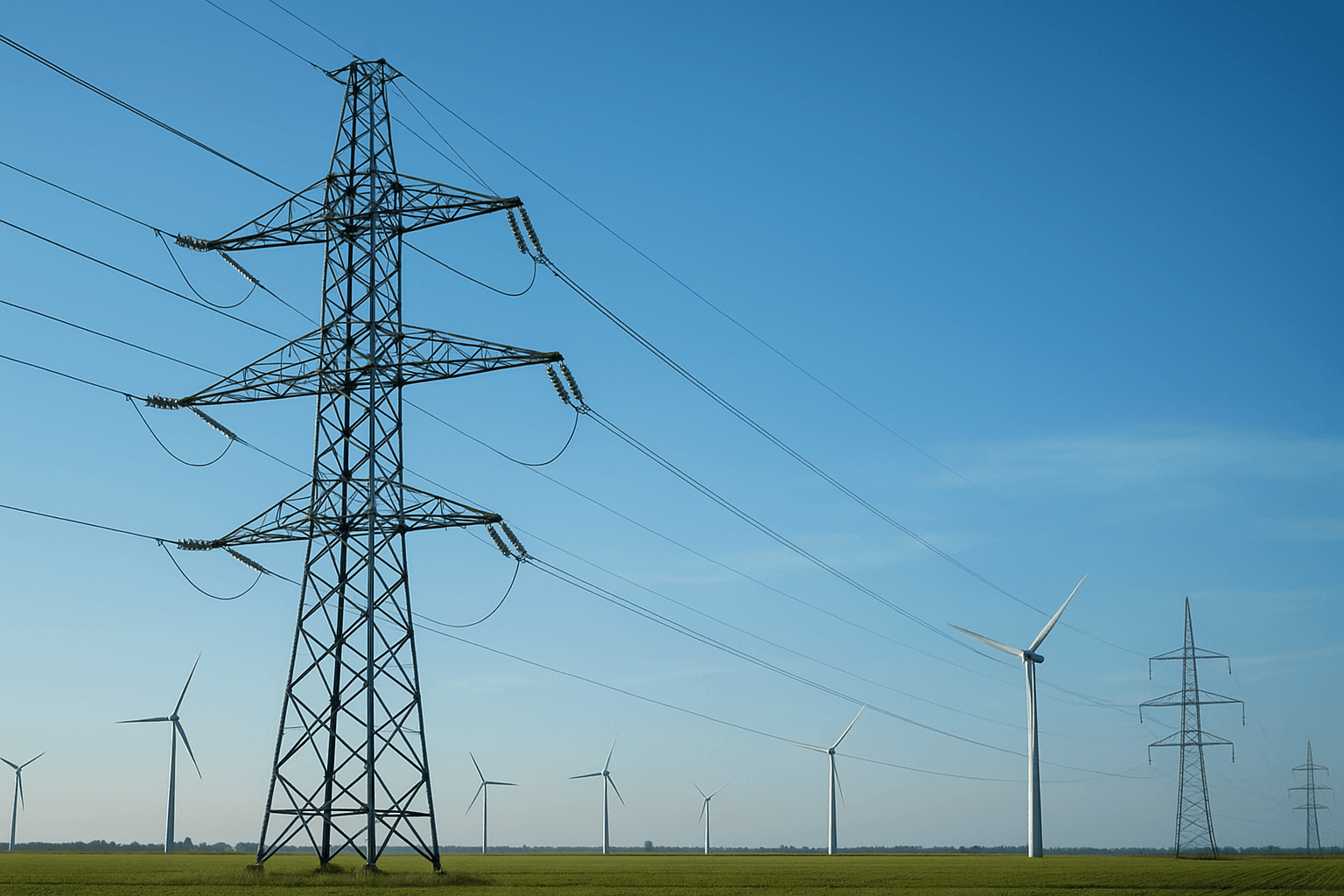
- Grid and storage needs are likely to rise as capacity growth increases the requirement for transmission upgrades and flexibility solutions.
Capacity surge would heighten grid integration and storage demands
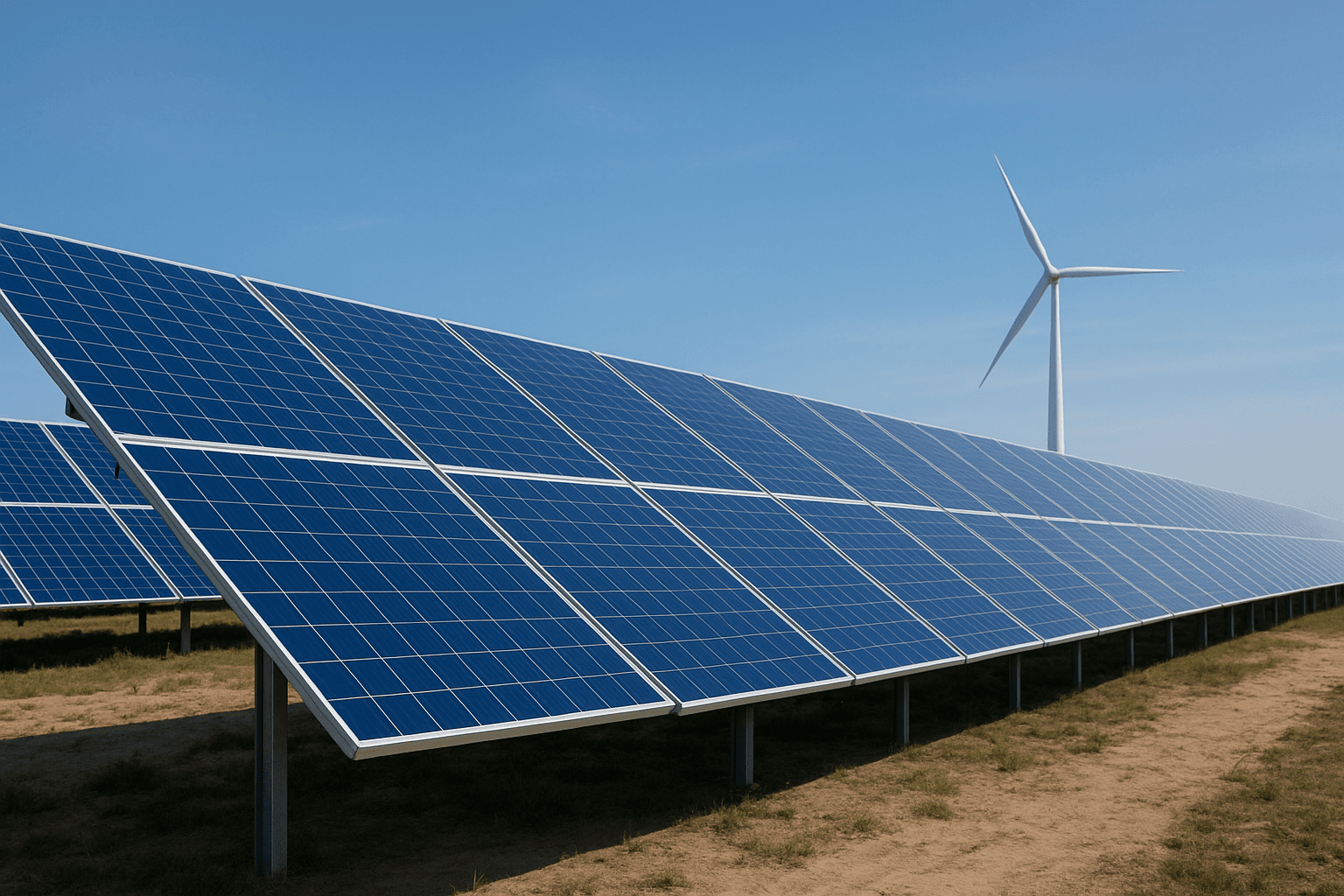
A report carried by ANI projects that India could add between 45 and 50 gigawatts of renewable energy capacity per year over the next two years. The projection covers newly commissioned capacity from renewable sources, though the report does not detail the technology split.
If realised, such annual additions would accelerate deployment and expand the pipeline of projects coming online. Rapid build-out typically increases demand for grid evacuation infrastructure, contract certainty, and financing solutions to translate planned capacity into operational generation.
Industry stakeholders and system operators commonly point to transmission upgrades, forecasting improvements and flexible resources—including storage and demand response—as central to accommodating large volumes of variable generation. These factors determine how effectively new renewable capacity contributes to energy security and system reliability.
Financing, supply-chain continuity and land availability are recurring considerations for developers working to meet aggressive installation targets. Policy clarity and timely permitting processes also play a role in whether projected capacity additions are realised on schedule.
The report’s projection, as reported by ANI, underlines the pace of private and public investment expected in India’s energy transition. Monitoring project execution, grid readiness and complementary investments will be key to turning capacity forecasts into delivered clean power.
FAQs
What does the 45–50 GW projection mean?
It indicates the report expects India to commission 45–50 gigawatts of new renewable capacity each year for the next two years, signalling a faster near-term deployment rate if projects proceed as planned.
Which technologies are likely to contribute most?
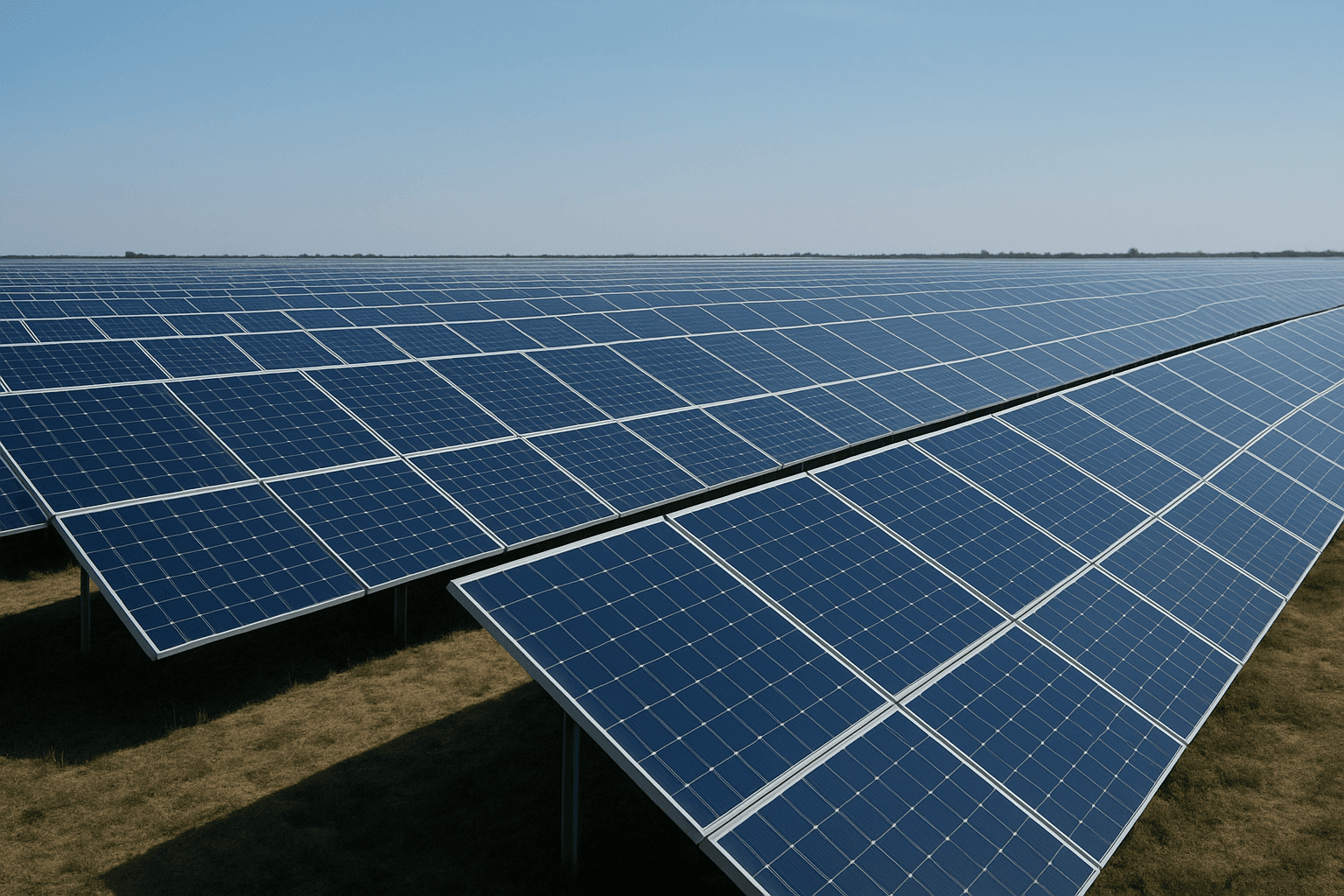
While the report does not specify a breakdown, utility-scale solar and onshore wind are typically major contributors to renewable capacity growth in India based on past trends.
What are the main system challenges?
Key challenges include upgrading transmission networks, improving grid flexibility, integrating storage, and enhancing forecasting and scheduling to manage variable output.
How does this affect energy costs?
Large-scale renewables can lower average generation costs over time, but near-term investments in transmission, storage and backup capacity may be needed to maintain reliability.
What role does policy play?
Clear procurement frameworks, streamlined permitting and supportive market mechanisms help convert projections into actual commissioned projects by reducing execution risk.
How can stakeholders track progress?
Monitoring auction outcomes, project commissioning reports, grid studies and official capacity statistics provides indicators of whether projected additions are being achieved.
Advertisement
Written by
Suraj Kadam
Suraj Kadam is the Chief Editor at CleanTech Journal, where he leads coverage of the renewable energy sector with a sharp focus on solar power and emerging clean technologies. With over 8 years of experience in energy journalism, Suraj has built a reputation for translating complex industry developments into clear, insightful stories for policymakers, investors, and everyday readers.