Solar Kiosks Bring Healthcare Closer to Rural Communities in Chad
News at Glance Solar kiosks supply off-grid electricity to remote health points across parts of rural Chad, improving basic service delivery. They enable refrigeration for vaccines and device charging, supporting cold-chain integrity and telehealth consultations where grid power is absent. Long-term impact depends on maintenance and sustainable financing, with local capacity and supply chains cited […]

Suraj Kadam
August 22, 2026•8 min read
Advertisement
Table of Contents
News at Glance
- Solar kiosks supply off-grid electricity to remote health points across parts of rural Chad, improving basic service delivery.
- They enable refrigeration for vaccines and device charging, supporting cold-chain integrity and telehealth consultations where grid power is absent.
- Long-term impact depends on maintenance and sustainable financing, with local capacity and supply chains cited as major constraints.
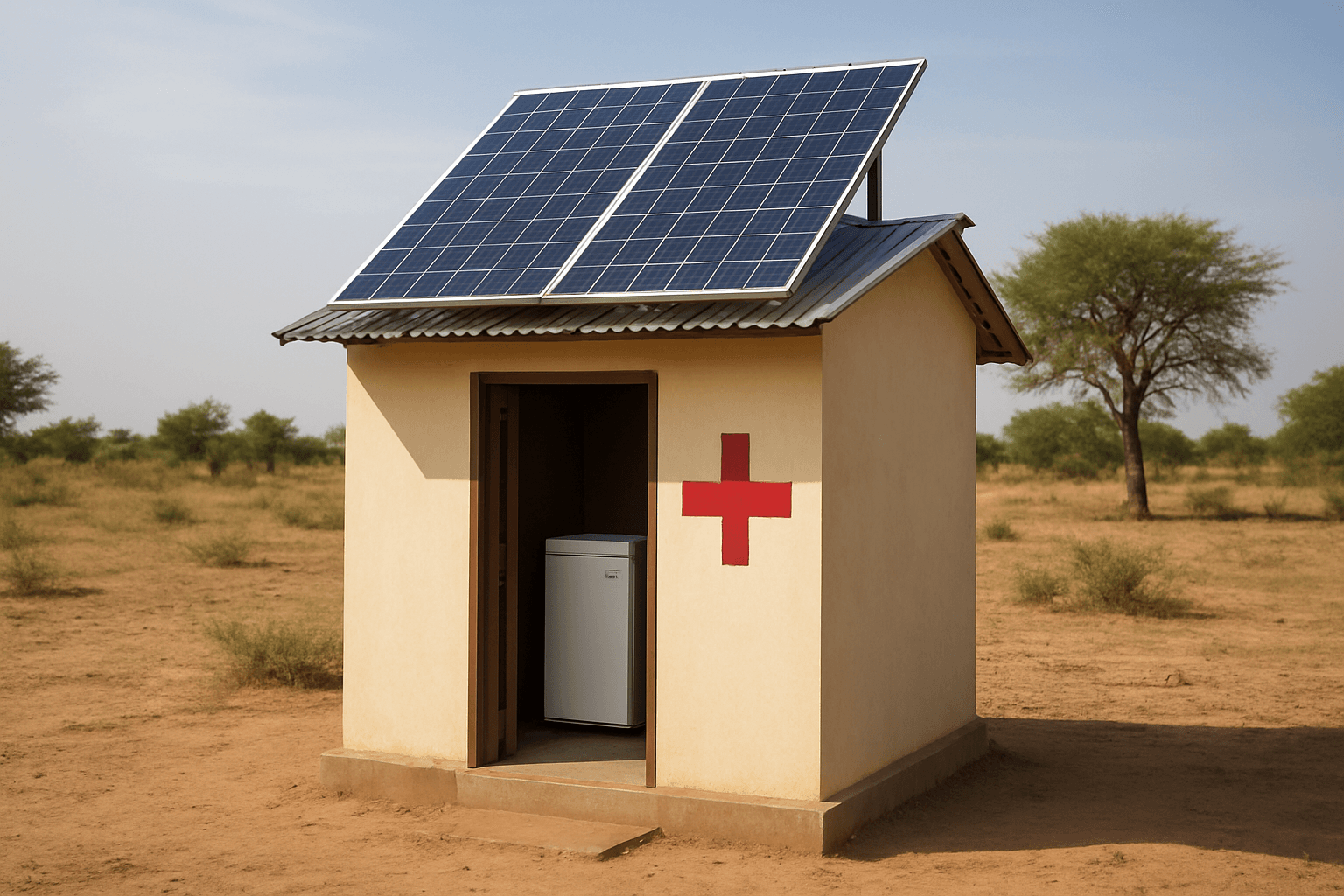
Solar kiosks power vaccine refrigeration and telehealth in remote Chad
Small, stand-alone solar installations are being used in parts of rural Chad to provide reliable electricity for basic health services where the national grid is unavailable or intermittent.
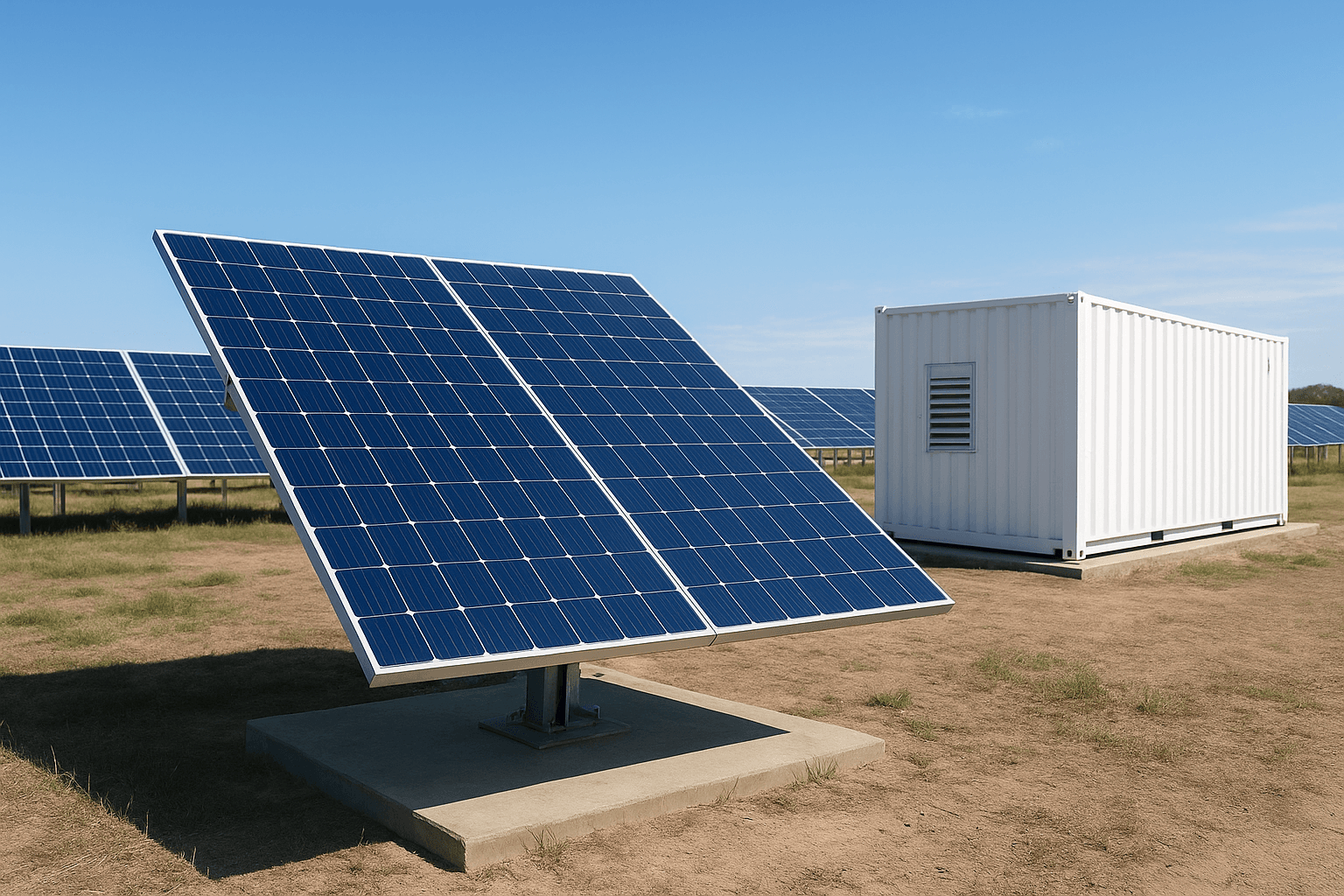
Operators deploy photovoltaic arrays with battery storage to run refrigeration units, lighting and mobile-device charging. That capability helps preserve temperature-sensitive vaccines and allows health workers to use phones or tablets for consultations and patient records.
Local clinics benefit from improved night-time lighting for examinations and safer deliveries, while patients avoid long journeys to distant health centres for routine services. Solar power reduces dependence on costly diesel generators and kerosene lighting in remote settings.
Implementation models vary, including donor-funded installations, public-private partnerships and small enterprises that operate kiosks on a fee-for-service basis. Each model balances upfront capital, operating costs and responsibilities for upkeep differently.
Key operational challenges include sourcing replacement batteries and components, ensuring technical maintenance and securing predictable funding for repairs. Training local technicians and establishing supply chains are cited as priorities to sustain services.
Health officials and development practitioners see the kiosks as practical tools to extend primary care and fortify vaccine cold chains, though they stress the need for integrated planning so electrification is matched by medical supplies, staff and data systems.
Scaling up will depend on aligning financing, community ownership and maintenance arrangements so installations remain functional beyond initial deployment periods.
FAQs
What is a solar kiosk?
A solar kiosk is a small, off-grid solar power installation that combines photovoltaic panels with batteries and basic electrical services such as lighting, refrigeration and device charging.
How do kiosks improve healthcare access?
They provide reliable power for vaccine refrigerators, lighting for clinics, and charging for communication devices, enabling routine services and remote consultations in areas without grid electricity.
Who typically operates these systems?
Operators can include non-governmental organisations, local entrepreneurs, public health agencies or hybrid partnerships; the management model affects maintenance and sustainability.
What are the main challenges to keeping kiosks running?
Common issues are battery replacement, spare parts availability, technical skills for maintenance, vandalism and predictable funding for operations and repairs.
Do kiosks replace full electrification?
No. Kiosks are complementary solutions that extend critical services in the near term while broader grid expansion or larger decentralised systems are planned or implemented.
Can solar kiosks support emergency care?
They can enhance emergency response capacity by powering lights, communication devices and essential refrigeration, but they are not a substitute for fully equipped emergency facilities.
Advertisement
Written by
Suraj Kadam
Suraj Kadam is the Chief Editor at CleanTech Journal, where he leads coverage of the renewable energy sector with a sharp focus on solar power and emerging clean technologies. With over 8 years of experience in energy journalism, Suraj has built a reputation for translating complex industry developments into clear, insightful stories for policymakers, investors, and everyday readers.