How solar panel prices fell 90 percent in 15 years
News at Glance Solar module prices declined about 90% over roughly 15 years. Declines were driven by manufacturing scale, efficiency gains and supportive policy mechanisms. Falling costs have helped solar become broadly competitive with conventional power sources. 90% Price Drop Has Helped Solar Compete With Fossil Fuels Solar photovoltaic (PV) module prices have fallen sharply […]

Suraj Kadam
August 20, 2026•7 min read
Advertisement
Table of Contents
News at Glance
- Solar module prices declined about 90% over roughly 15 years.
- Declines were driven by manufacturing scale, efficiency gains and supportive policy mechanisms.
- Falling costs have helped solar become broadly competitive with conventional power sources.
90% Price Drop Has Helped Solar Compete With Fossil Fuels
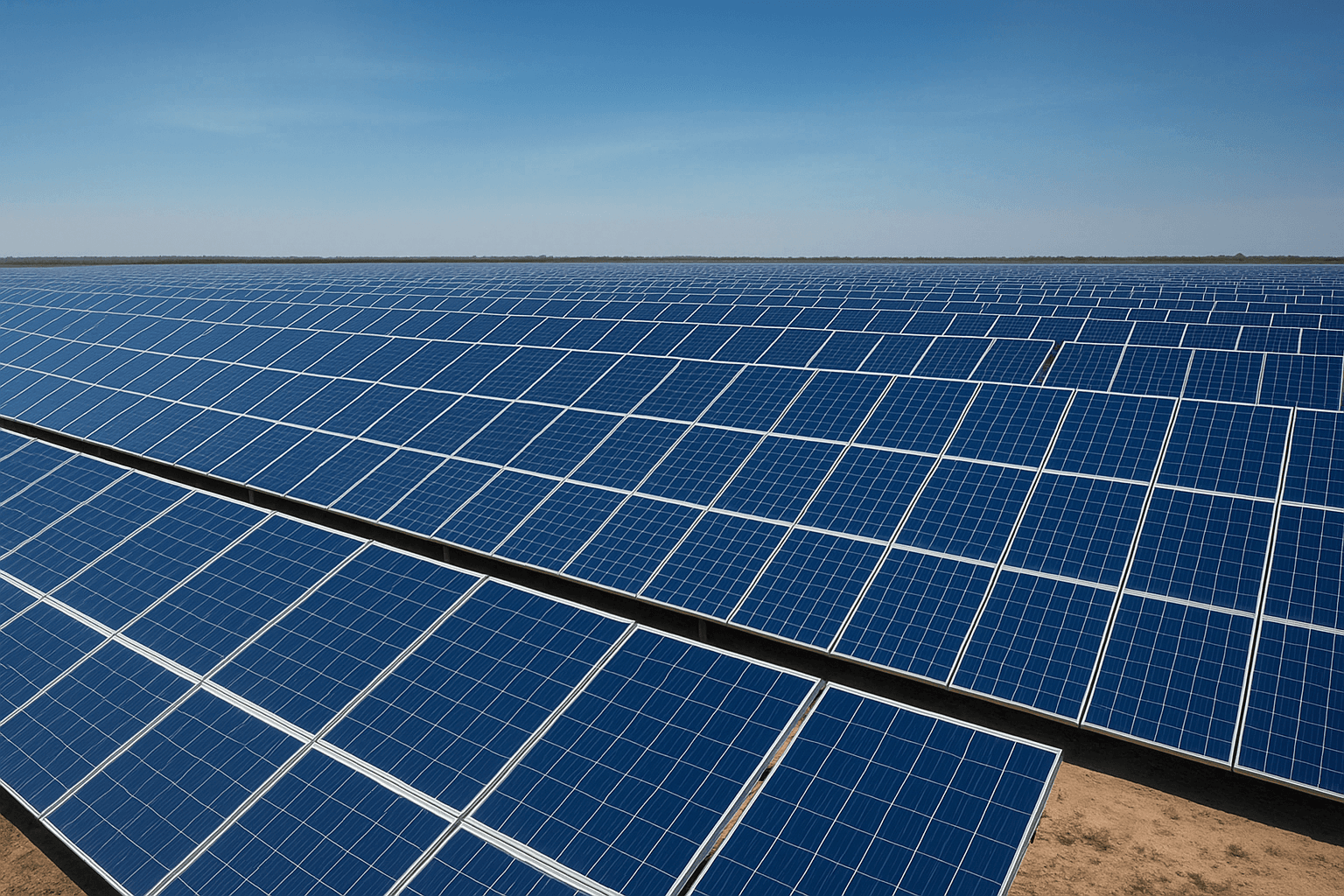
Solar photovoltaic (PV) module prices have fallen sharply over the last decade and a half, transforming the economics of power generation worldwide. The long-term decline has been underpinned by several interlocking trends rather than a single factor.
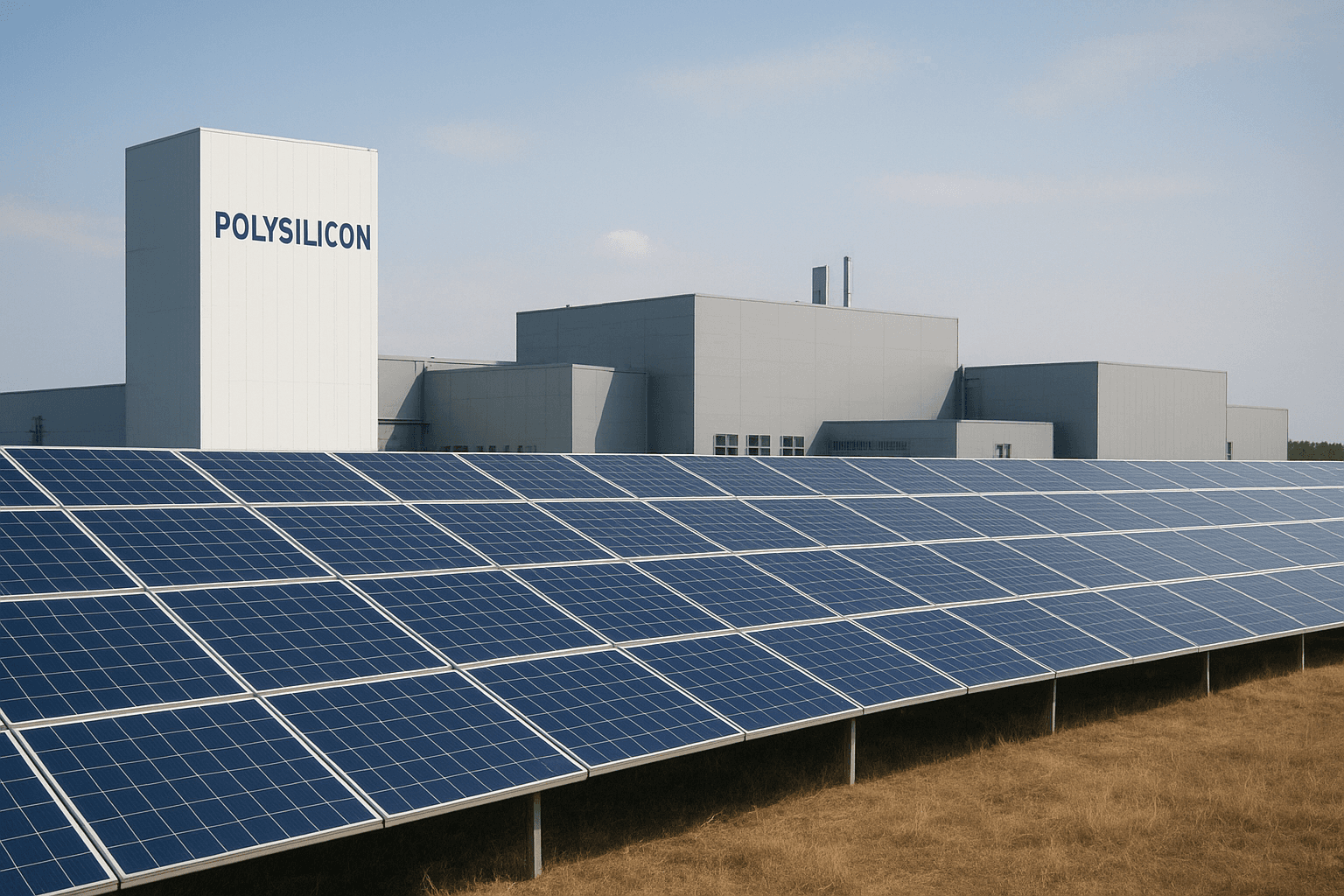
Manufacturing scale has reduced per-unit costs as factories expanded and production lines became more automated. Improvements across the value chain — from larger wafers and higher-efficiency cells to streamlined module assembly — have lifted module power output while reducing material intensity.
Supply-chain optimisation and greater standardisation have lowered balance-of-system costs, which account for a growing share of project budgets as module prices fall. Financing costs and project development learning curves have also contributed to lower overall installation costs.
Policy instruments such as competitive auctions, long-term contracts and targeted incentives helped create predictable markets and stimulate investment in capacity and R&D. Those measures encouraged deployment at scale and supported the emergence of global supply chains.
The price trajectory has broader implications for energy systems, aiding the integration of distributed generation and driving utility-scale deployment. Lower upfront costs have expanded access to solar in many markets and altered investment decisions across the power sector.
Challenges remain: raw-material price volatility, trade measures, grid integration needs and end-of-life recycling are areas requiring continued attention. Analysts and industry participants say continued innovation and policy stability will shape the next phase of cost reductions and deployment.
FAQs
Why did solar module prices fall so much?
Declines reflect manufacturing scale, efficiency improvements in cells and modules, streamlined supply chains, and supportive market policies that encouraged investment and innovation.
Did technology improvements matter?
Yes. Gains in cell efficiency and module design increased power output per unit area and reduced material costs per watt, contributing materially to price declines.
What role did policy play?
Policies such as auctions, incentives and predictable procurement frameworks created demand certainty, encouraging capacity expansion and investment in production and R&D.
Has the decline affected fossil fuel competitiveness?
Lower solar costs have improved competitiveness with conventional generation, influencing dispatch patterns, investment choices and power market dynamics.
Are there limits to further cost declines?
Potential limits include material costs, supply-chain constraints and diminishing returns on some technical improvements, though innovation and scale may continue to yield savings.
What are the next priorities for the industry?
Key priorities include grid integration, recycling and circularity, managing supply-chain risks, and maintaining stable policy environments to sustain investment.
Advertisement
Written by
Suraj Kadam
Suraj Kadam is the Chief Editor at CleanTech Journal, where he leads coverage of the renewable energy sector with a sharp focus on solar power and emerging clean technologies. With over 8 years of experience in energy journalism, Suraj has built a reputation for translating complex industry developments into clear, insightful stories for policymakers, investors, and everyday readers.