Space Laser Demonstration Aims to Produce Power Aboard a Satellite
News at Glance Wired reports an upcoming in-space test that will attempt to generate electricity aboard a spacecraft using a beamed laser. Laser power beaming converts electricity to coherent light and back via a receiver that produces usable electrical power without a physical cable. Success could demonstrate a way to power satellites and remote systems […]

Suraj Kadam
September 29, 2026•8 min read
Advertisement
Table of Contents
News at Glance
- Wired reports an upcoming in-space test that will attempt to generate electricity aboard a spacecraft using a beamed laser.
- Laser power beaming converts electricity to coherent light and back via a receiver that produces usable electrical power without a physical cable.
- Success could demonstrate a way to power satellites and remote systems without carrying additional heavy power systems or propellant.
Demonstration will convert beamed laser light into onboard electricity
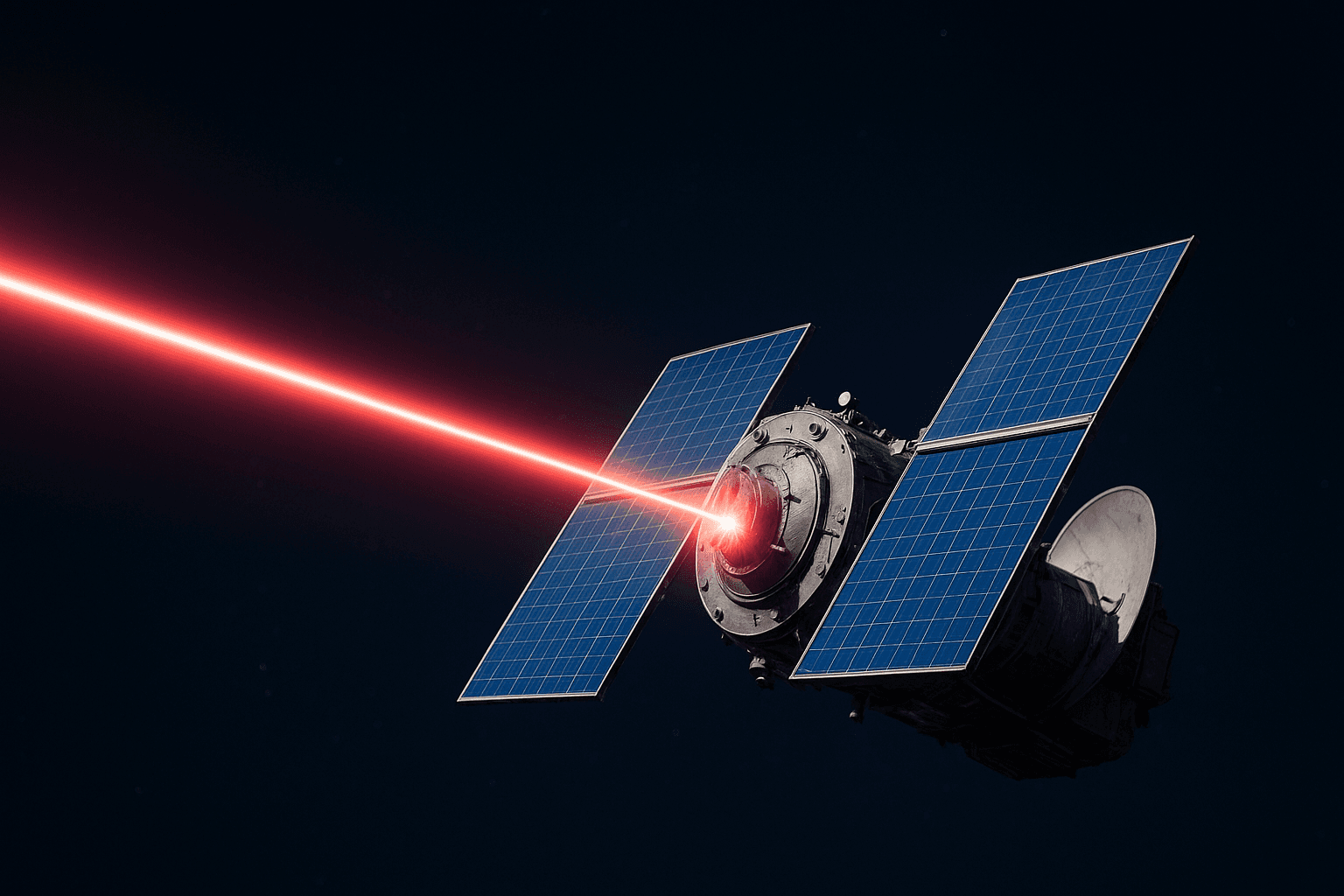
A recent report in Wired outlines a planned demonstration that will attempt to produce electrical power aboard a spacecraft from a laser beam transmitted from another platform.
The test targets a core technical challenge of space-based power beaming: converting light delivered over distance into stable, usable electricity on a receiver craft. The approach avoids physical tethers and aims for a contactless transfer of energy.
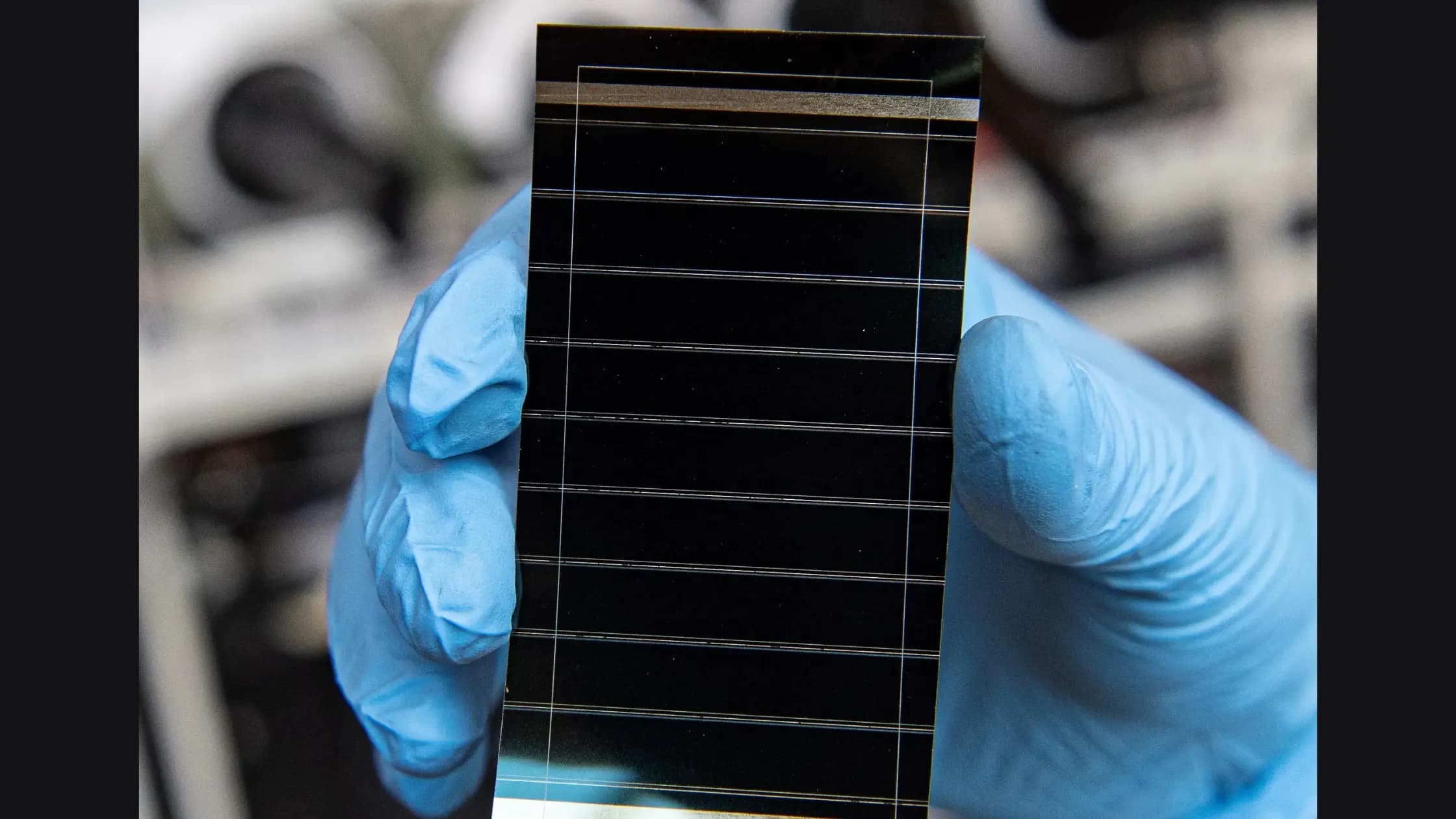
Laser power beaming relies on three principal steps: generating a high-intensity, focused beam from a transmitter; directing that beam to a distant receiver; and converting the incident light into electrical power using photovoltaic or thermophotonic devices. Each step has engineering trade-offs in efficiency, pointing accuracy and thermal management.
Applications discussed in the sector include topping up satellite batteries, extending mission lifetimes, and supplying power to assets in shadowed or remote locations where solar panels are ineffective. Demonstrations in space would provide data on real-world performance beyond laboratory experiments and ground tests.
Engineers continue to address regulatory, safety and operational questions, including how to ensure safe beam paths and manage potential interference with other spacecraft. The success criteria for the demonstration will focus on measurable electrical output and system stability during operation.
Observers say a credible in-space demonstration would be a significant step toward evaluating the practicality of beamed power architectures for future orbital and planetary missions. Further technical milestones will be needed to move from demonstration to routine use.
FAQs
What is laser power beaming and how does it work?
Laser power beaming is a method of sending energy by converting electricity into a focused laser beam at a transmitter, directing that beam to a remote receiver, and converting the received light back into electricity using photovoltaic or other conversion devices.
Why test laser power beaming in space instead of on the ground?
Space tests expose systems to orbital conditions such as vacuum, radiation, thermal cycling and long-distance pointing challenges that cannot be fully replicated on the ground, providing essential performance data for real missions.
What are potential uses for beamed power in space?
Potential uses include recharging satellite batteries, powering probes or landers in low-light environments, supporting communications relays, and enabling new mission concepts that separate power generation and consumption.
What are the main technical challenges for space laser power systems?
Key challenges include achieving high conversion efficiency, precise beam pointing over long distances, thermal management at the receiver, and ensuring safe operation without affecting other spacecraft or sensors.
Are there safety or regulatory concerns with beaming lasers in orbit?
Yes. Operators must address risks to other satellites, human spaceflight, and ground observers. Regulatory frameworks and coordination with space traffic management are needed to prevent accidental illumination of sensitive assets.
Will a successful demonstration mean immediate deployment of beamed power systems?
No. A successful test would validate specific technologies but broader adoption requires further development, cost reduction, regulatory approval and integration into operational mission planning.
Advertisement
Written by
Suraj Kadam
Suraj Kadam is the Chief Editor at CleanTech Journal, where he leads coverage of the renewable energy sector with a sharp focus on solar power and emerging clean technologies. With over 8 years of experience in energy journalism, Suraj has built a reputation for translating complex industry developments into clear, insightful stories for policymakers, investors, and everyday readers.