Renewable projects can store and sell curtailed power with co-located batteries
News at Glance Regulatory change allows co-located battery systems to capture curtailed renewable generation for later sale. New route to monetisation helps developers convert previously wasted output into revenue and improve project economics. Implementation requires clear metering, scheduling and market rules to avoid double-counting and preserve grid stability. Curtailment monetisation opens new revenue stream for […]

Suraj Kadam
August 29, 2026•8 min read
Advertisement
Table of Contents
News at Glance
- Regulatory change allows co-located battery systems to capture curtailed renewable generation for later sale.
- New route to monetisation helps developers convert previously wasted output into revenue and improve project economics.
- Implementation requires clear metering, scheduling and market rules to avoid double-counting and preserve grid stability.
Curtailment monetisation opens new revenue stream for renewable plants
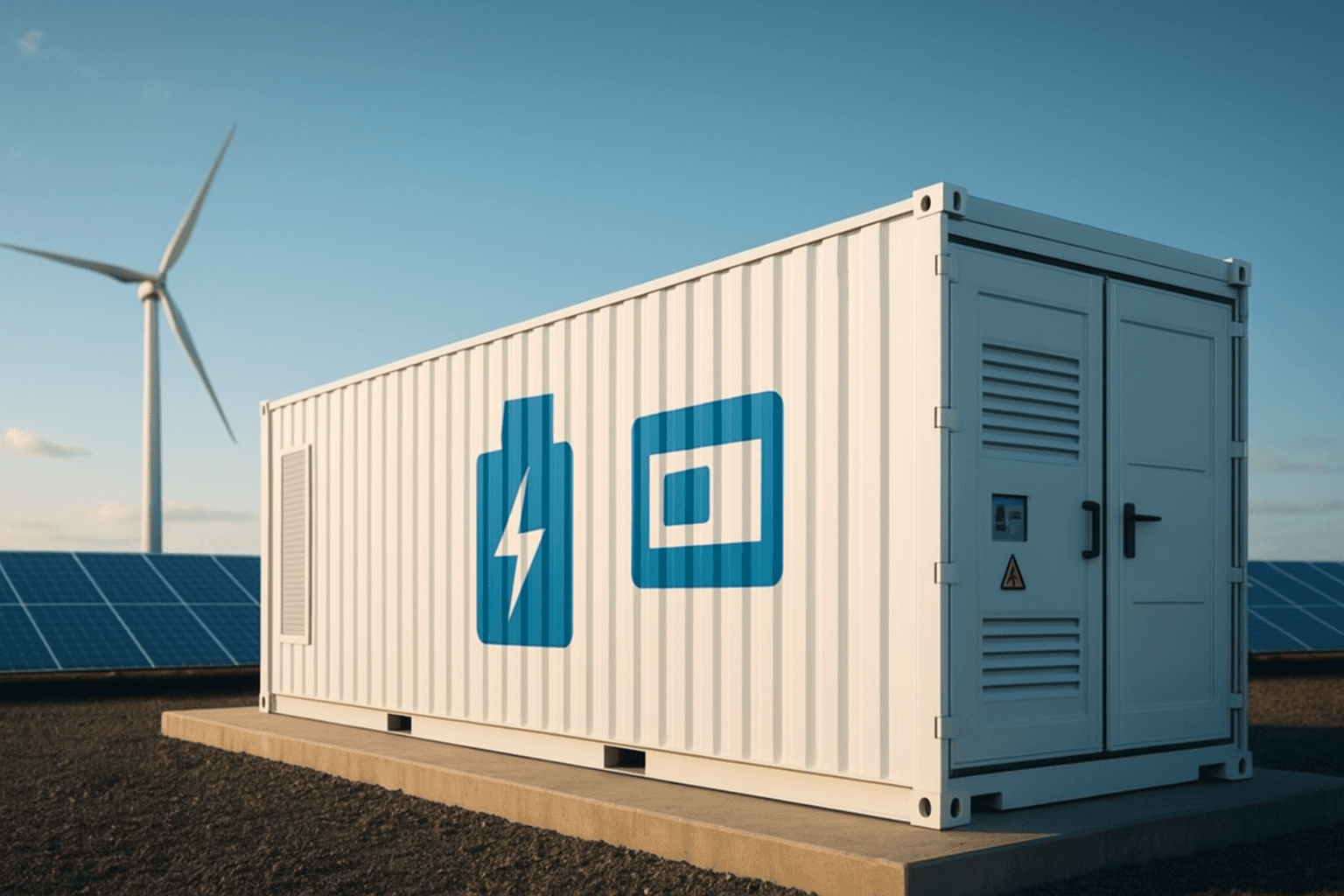
Policy updates now permit renewable generators to pair battery energy storage systems (BESS) on the same site and charge them with curtailed generation, then discharge and sell that energy later. The move aims to reduce the volume of energy left unused when system constraints or grid balancing force generators to back down.
Under the approach, co-located batteries act as an intermediary store: when a wind or solar plant is curtailed, the battery absorbs otherwise curtailed kilowatt-hours and retains the right to dispatch them into the market at a later time. That creates a path for developers to monetise energy that would previously have been forfeited.
Operationally, the change hinges on accurate metering, clear contractual terms and scheduling protocols so that the origin and ownership of stored energy are verifiable. Market participation rules must address whether stored energy is sold as merchant energy, under bilateral contracts, or via ancillary service provisions.
Potential grid benefits include lower overall curtailment, more predictable renewable output profiles and additional flexibility services such as frequency response. For project economics, the ability to sell curtailed energy improves utilisation and can enhance returns on both generation and storage assets.
Challenges remain: developers and system operators must resolve questions on settlement, battery degradation accounting, and potential impacts on existing power purchase agreements. Detailed implementation guidance and transparent market mechanisms will be crucial for broader uptake.
FAQs
What does it mean for renewable projects to store curtailed power in co-located batteries?
It means a battery energy storage system located at the same site as a renewable generator can be charged using energy that the generator would otherwise be required to reduce or stop producing, and that stored energy can later be discharged and sold.
How can stored curtailed energy be sold by a renewable project?
Stored energy can be sold into wholesale markets as merchant energy, through bilateral contracts with buyers, or by providing ancillary services, depending on market rules and contractual arrangements in place.
Why is renewable curtailment used and how does storage help?
Curtailment occurs when supply exceeds local demand or transmission capacity; storage captures that excess supply and shifts it temporally, reducing waste and smoothing output for the grid.
What technical requirements are needed for co-located storage to handle curtailed energy?
Key requirements include precise metering to separate generation and storage flows, control systems for coordinated dispatch, protections and interconnection standards, and operational protocols to prevent double-counting.
What benefits do developers and grid operators gain from this arrangement?
Developers gain new revenue streams and higher asset utilisation; grid operators gain flexibility to balance supply and demand, reduce congestion and lower system-wide curtailment.
What risks or uncertainties should stakeholders consider?
Stakeholders should consider market settlement clarity, battery lifecycle and degradation costs, impacts on existing contracts, and the need for transparent rules to ensure reliable accounting of stored and discharged energy.
Advertisement
Written by
Suraj Kadam
Suraj Kadam is the Chief Editor at CleanTech Journal, where he leads coverage of the renewable energy sector with a sharp focus on solar power and emerging clean technologies. With over 8 years of experience in energy journalism, Suraj has built a reputation for translating complex industry developments into clear, insightful stories for policymakers, investors, and everyday readers.