Tata Motors Waiting Times Surge As Tiago EV And Punch EV Stretch To 24 Weeks
News at Glance Tiago EV waiting period reaches up to 24 weeks for orders placed as of August 2026. Punch EV delivery timelines also extend up to 24 weeks amid higher-than-expected demand. Extended waits reflect production and supply-chain pressures rather than a company-wide sales halt. Inventory Shortfalls Cited As Lead Time Peaks For Popular EV […]

Suraj Kadam
August 19, 2026•7 min read
Advertisement
Table of Contents
News at Glance
- Tiago EV waiting period reaches up to 24 weeks for orders placed as of August 2026.
- Punch EV delivery timelines also extend up to 24 weeks amid higher-than-expected demand.
- Extended waits reflect production and supply-chain pressures rather than a company-wide sales halt.
Inventory Shortfalls Cited As Lead Time Peaks For Popular EV Models
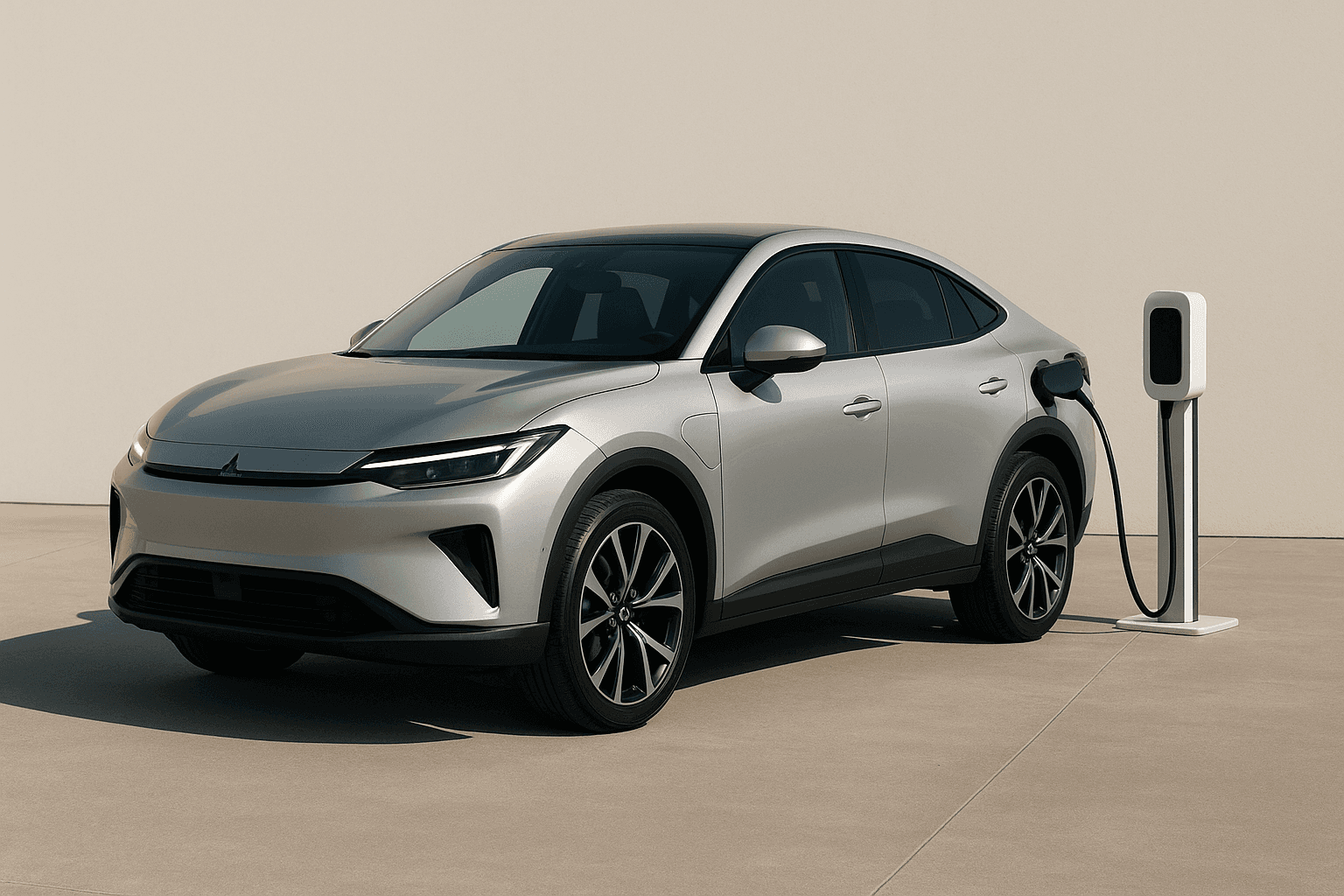
Tata Motors customers face longer than usual delivery windows in August 2026, with the Tiago EV and Punch EV showing waits of up to 24 weeks. The company’s popular compact electric models are among those reporting the largest increases in lead time.
Tata Motors has not announced a production suspension; rather, the extended timelines appear linked to a combination of heightened retail demand and operational constraints. Automakers globally have seen similar timing shifts as supply chains and component sourcing adjust to rising EV adoption.
Industry analysts and dealers generally point to vehicle-specific factors such as battery allocation, semiconductor availability and factory scheduling when explaining multi-month delays. Where manufacturers prioritise higher-margin or fleet orders, retail deliveries can be pushed further down the queue.
For buyers, the longer waiting period may affect purchase decisions and financing plans. Prospective customers are advised to confirm estimated delivery dates and any reservation policies with dealers at the time of booking, as timelines can change with production updates.
Tata’s extended lead times for the Tiago EV and Punch EV underscore the broader transition challenges as automakers scale electric vehicle output. Policymakers and industry groups continue to monitor supply-side bottlenecks that can influence market momentum and consumer confidence.
FAQs
Why are Tiago EV and Punch EV waiting periods extending?
Manufacturers cite a mix of stronger demand and supply-chain constraints—such as battery and component allocation—that can lengthen delivery timelines.
How long are the waits reported in August 2026?
Wait times for the Tiago EV and Punch EV are reported at up to 24 weeks for orders placed in August 2026.
Does an extended waiting period mean production is halted?
Not necessarily. Extended waits can result from demand outpacing production capacity or prioritisation of certain order types, rather than a full production stop.
Can buyers cancel orders if delivery is delayed?
Cancellation policies vary; buyers should review their booking agreement and speak with the dealer to understand refund or transfer options.
Will waiting times shorten soon?
Lead times depend on how quickly supply constraints are resolved and production ramps up. Monitoring dealer updates is the best way to track changes.
How can customers check the latest delivery estimate?
Contacting an authorised Tata Motors dealer or checking the company’s official communications will provide the most current delivery information.
Advertisement
Written by
Suraj Kadam
Suraj Kadam is the Chief Editor at CleanTech Journal, where he leads coverage of the renewable energy sector with a sharp focus on solar power and emerging clean technologies. With over 8 years of experience in energy journalism, Suraj has built a reputation for translating complex industry developments into clear, insightful stories for policymakers, investors, and everyday readers.