Trends in Offshore Wind 2026: Global Developments and Japan’s Status
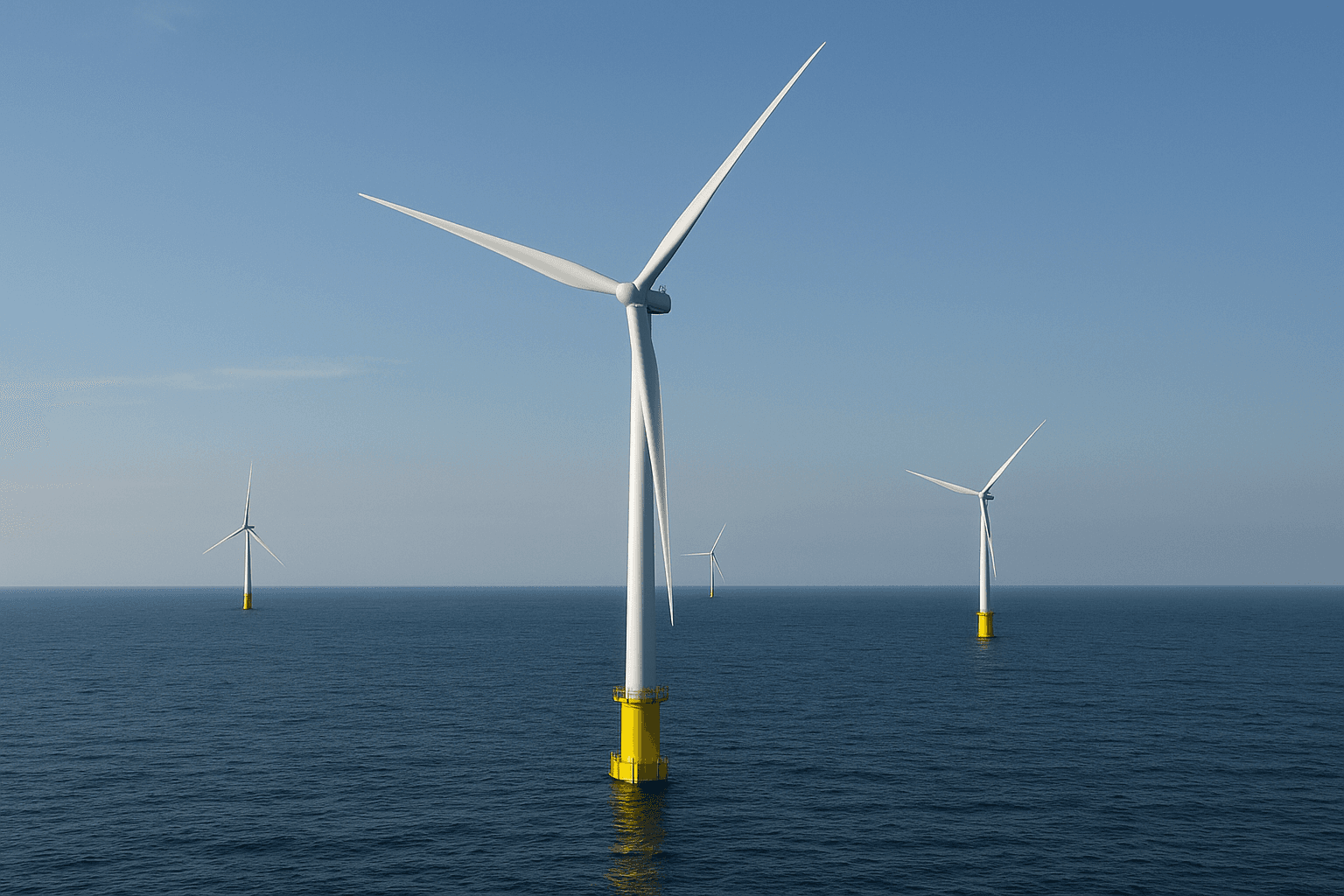
News at Glance Global offshore wind momentum continues with expanding project pipelines and rising investor interest across Europe and Asia. Floating wind is enabling deeper-water developments and opening new national markets previously out of reach for fixed-bottom turbines. Japan is advancing policy and pilot projects but faces permitting, grid connection and port infrastructure constraints that […]

Suraj Kadam
August 20, 2026•9 min read
Advertisement
Table of Contents
- News at Glance
- Floating foundations widen market access and project design choices
- Policy and permitting remain decisive for deployment rates
- Japan’s trajectory: progress tempered by infrastructure and regulatory hurdles
- Market outlook and industry priorities
- FAQs
News at Glance
- Global offshore wind momentum continues with expanding project pipelines and rising investor interest across Europe and Asia.
- Floating wind is enabling deeper-water developments and opening new national markets previously out of reach for fixed-bottom turbines.
- Japan is advancing policy and pilot projects but faces permitting, grid connection and port infrastructure constraints that slow large-scale deployment.
Floating foundations widen market access and project design choices
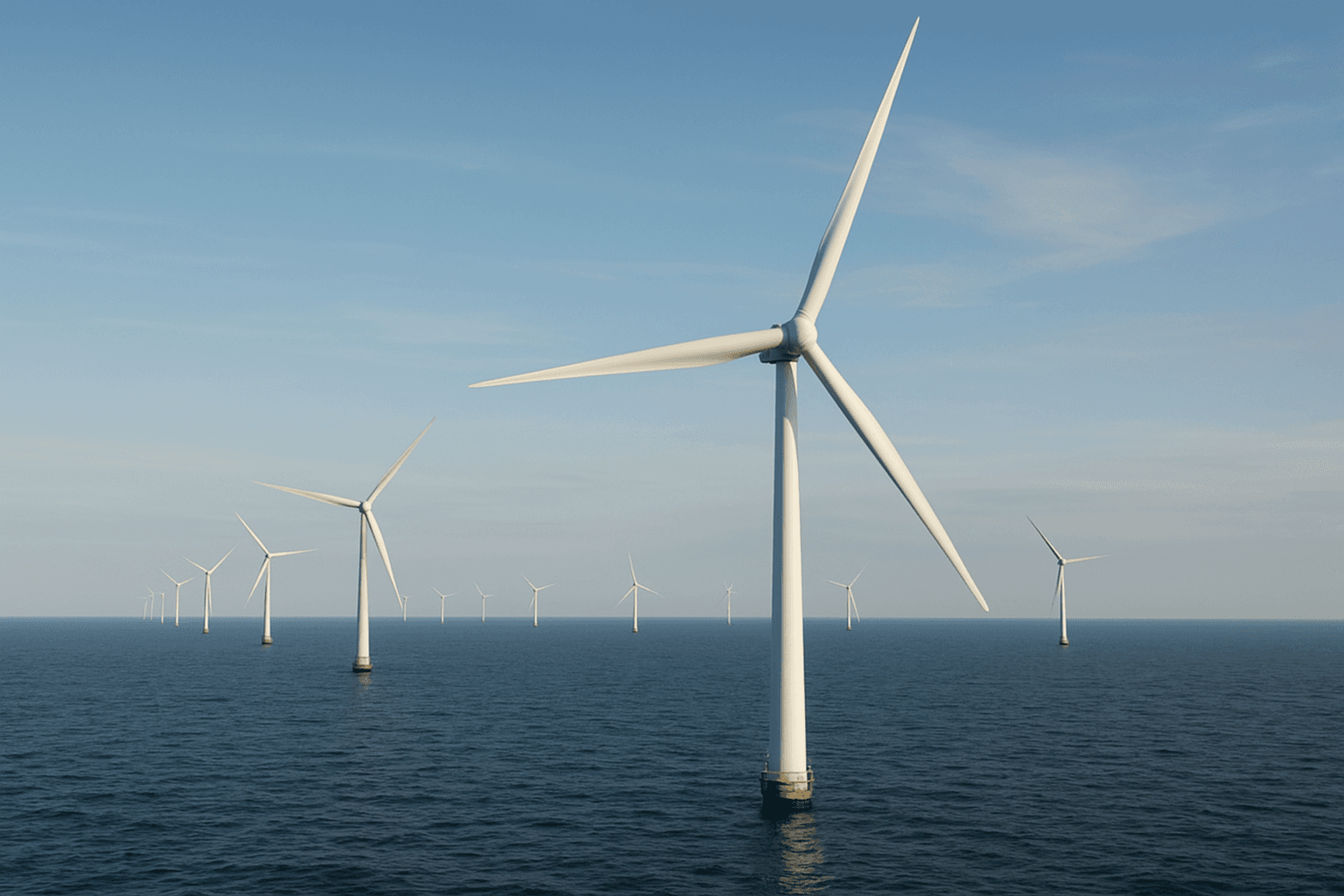
Through 2026 the offshore wind sector is increasingly defined by technological diversification, with floating foundations moving from demonstration to early commercial adoption.
This shift allows developers to target deeper waters and areas with better wind resources, changing site selection and supply-chain planning for turbines, mooring and cable systems.
Policy and permitting remain decisive for deployment rates
Governments that pair clear licensing pathways with predictable power-offtake arrangements attract the most investment in offshore wind.
Conversely, lengthy environmental reviews, seabed rights negotiations and complex stakeholder processes continue to delay projects in several jurisdictions.
Japan’s trajectory: progress tempered by infrastructure and regulatory hurdles
Japan has signalled interest in offshore development and pilot floating projects, and is adapting frameworks to support deployment around its coasts.
However, constraints such as port facilities capable of handling large turbine components, grid reinforcement, and marine-use coordination limit the pace at which projects can scale.
Market outlook and industry priorities
Cost trajectories depend on continued supply-chain maturation, standardisation of floating designs and streamlined consenting processes.
For investors and policymakers the near-term focus is on aligning port upgrades, grid planning and skills development to convert pilot projects into larger commercial farms.
FAQs
What is floating offshore wind?
Floating offshore wind uses platforms that support turbines in deep water, anchored to the seabed with mooring lines, allowing deployment where fixed foundations are impractical.
Why is floating wind important for new markets?
It opens access to stronger winds farther offshore and to countries with steep continental shelves where fixed-bottom foundations are not feasible.
What are the main barriers to offshore wind development?
Common barriers include permitting timelines, grid connection capacity, port and installation infrastructure, and local stakeholder coordination.
How is Japan approaching offshore wind?
Japan is advancing policy measures and pilots to support offshore projects, while addressing infrastructure and regulatory steps needed for larger-scale deployment.
What supply-chain elements need attention?
Ports, heavy-lift vessels, local manufacturing for foundations and cables, and a skilled workforce are critical to reduce costs and accelerate build-out.
How can policymakers accelerate deployment?
Clear licensing processes, coordinated grid planning, targeted port investments and incentives for early-stage manufacturing help de-risk projects and attract capital.
Advertisement
Written by
Suraj Kadam
Suraj Kadam is the Chief Editor at CleanTech Journal, where he leads coverage of the renewable energy sector with a sharp focus on solar power and emerging clean technologies. With over 8 years of experience in energy journalism, Suraj has built a reputation for translating complex industry developments into clear, insightful stories for policymakers, investors, and everyday readers.